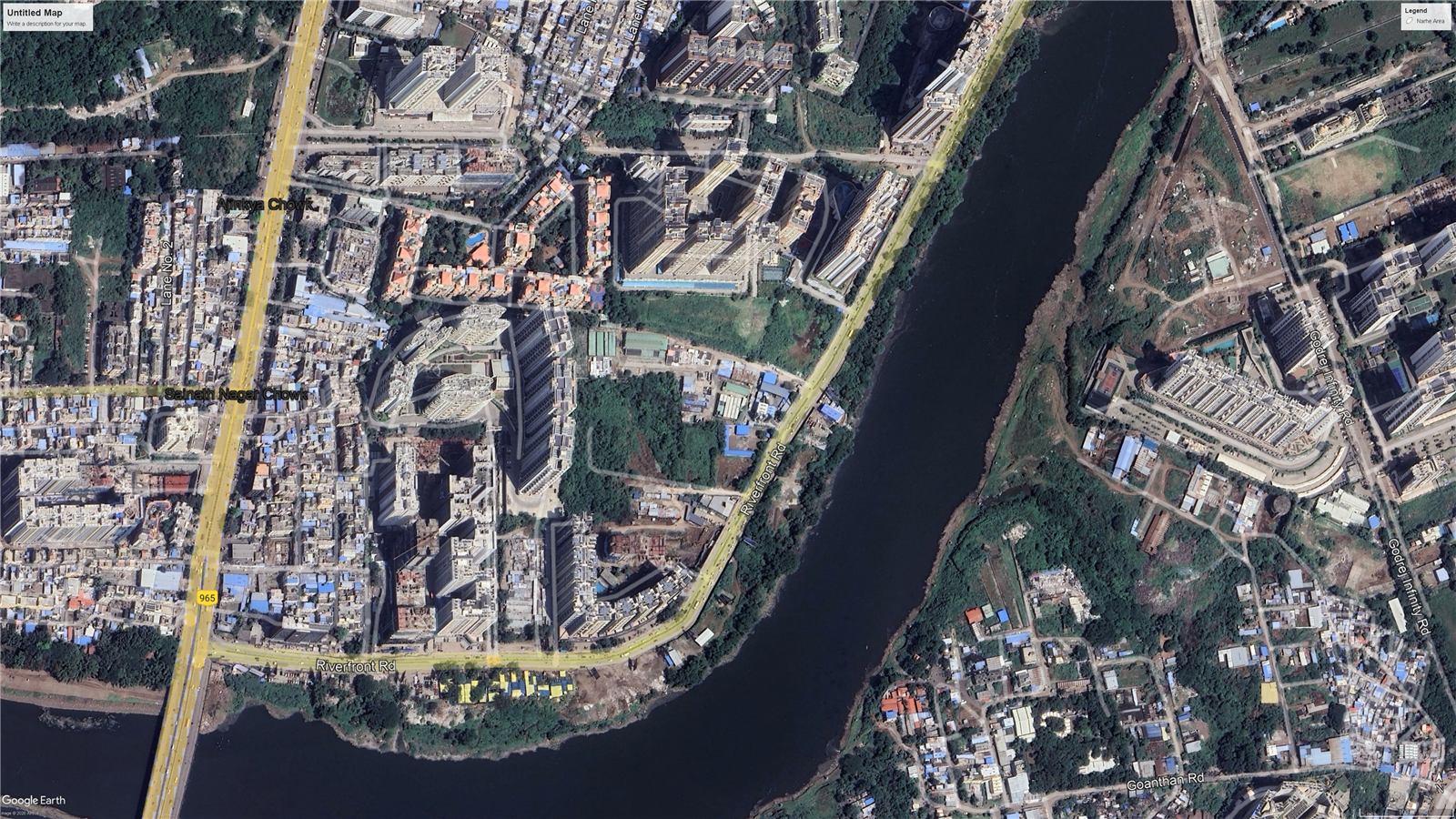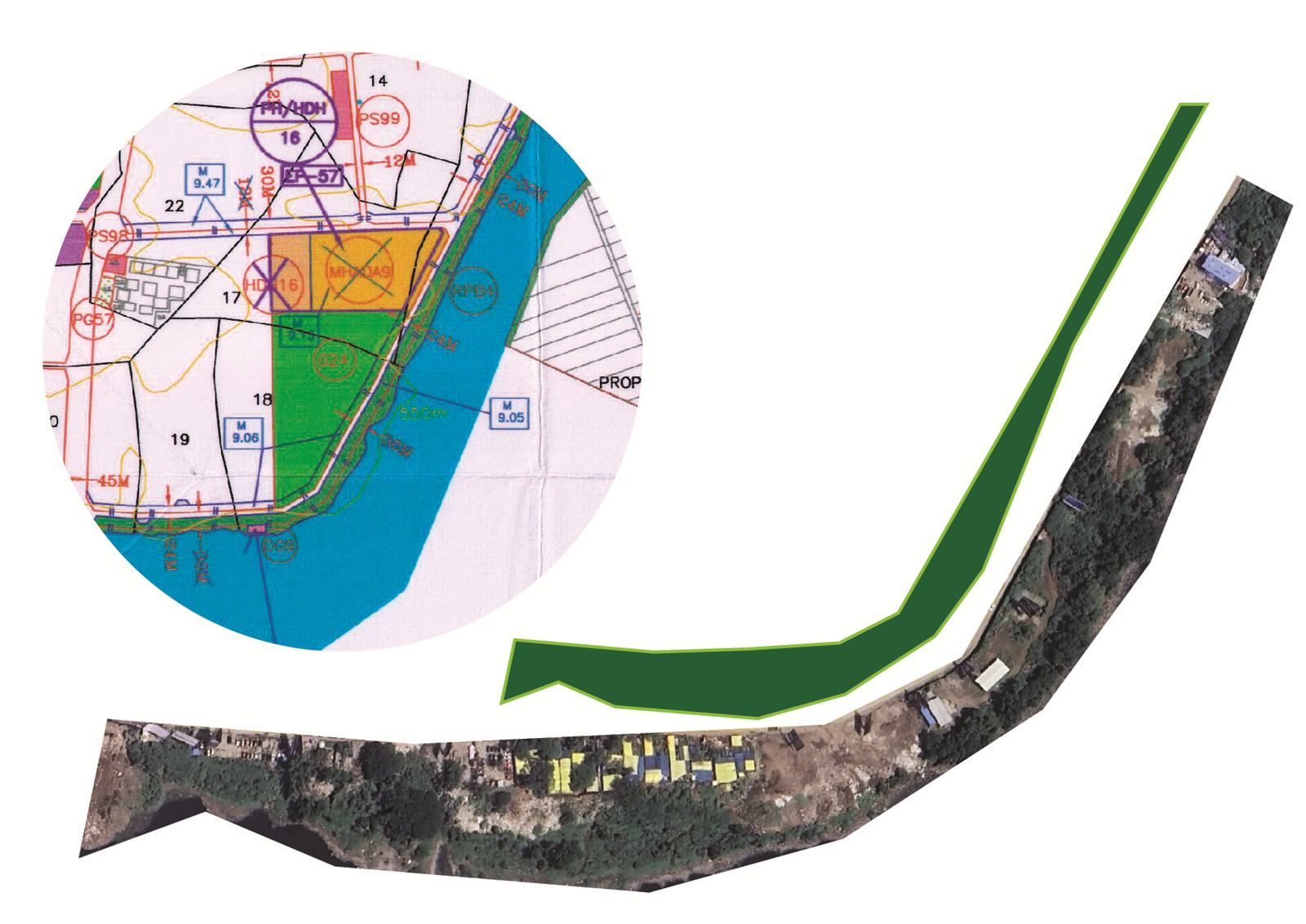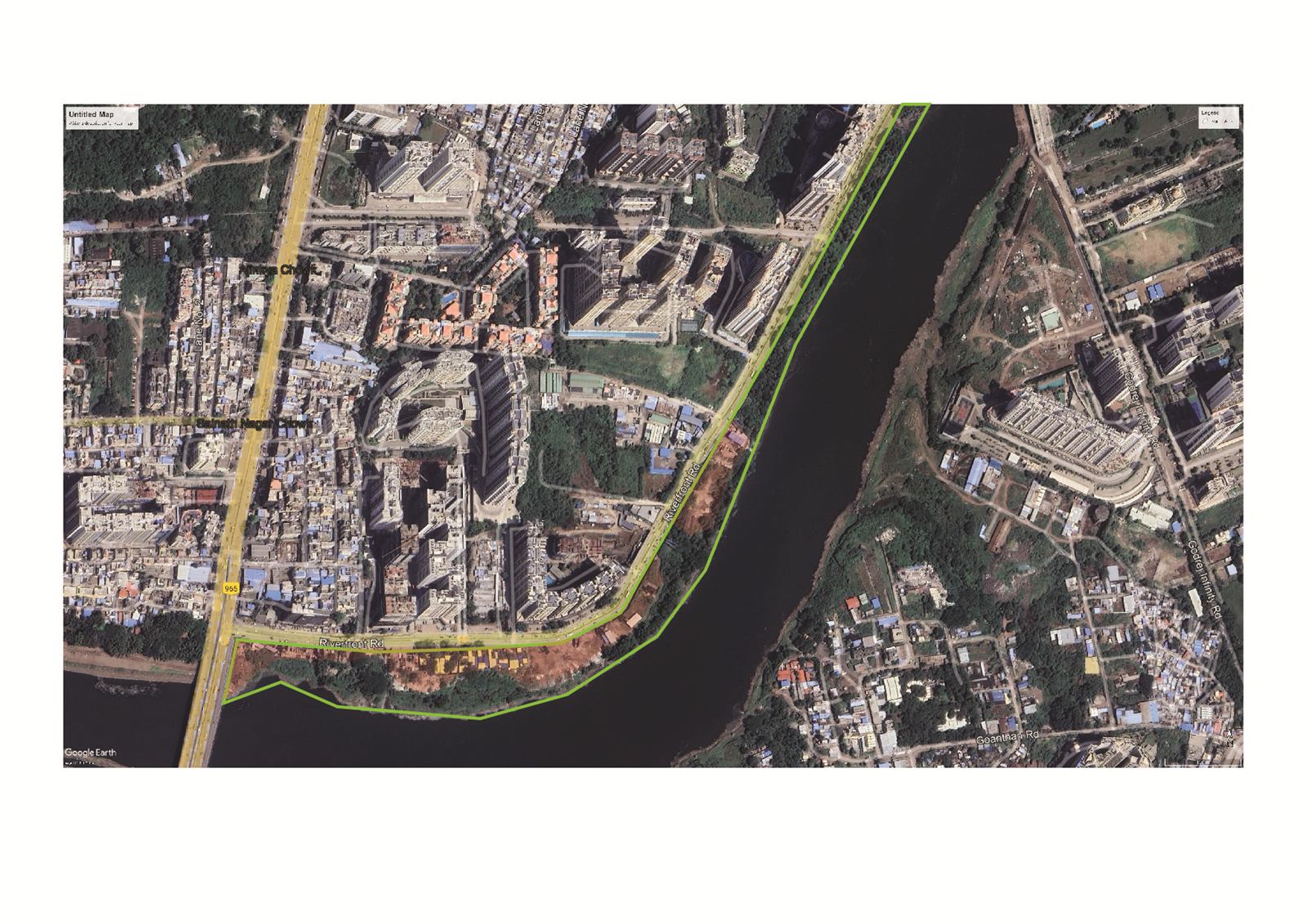
Across India, riverfront development has become a state-led model of urban transformation: at least 16 major projects, about ₹37,831 crore in public money, built from embankments, promenades, barrages and fixed water levels. In Lucknow, the Gomti project reduced the river's average width from about 285 metres to 100–130 metres.
Officially, it is river rejuvenation, flood mitigation and public space. On the ground it means channelisation, concretisation, embankments and floodplain change, with consequences for riparian habitats, groundwater recharge and ecological connectivity in a saucer-shaped city fed by upstream dams and heavy monsoons.
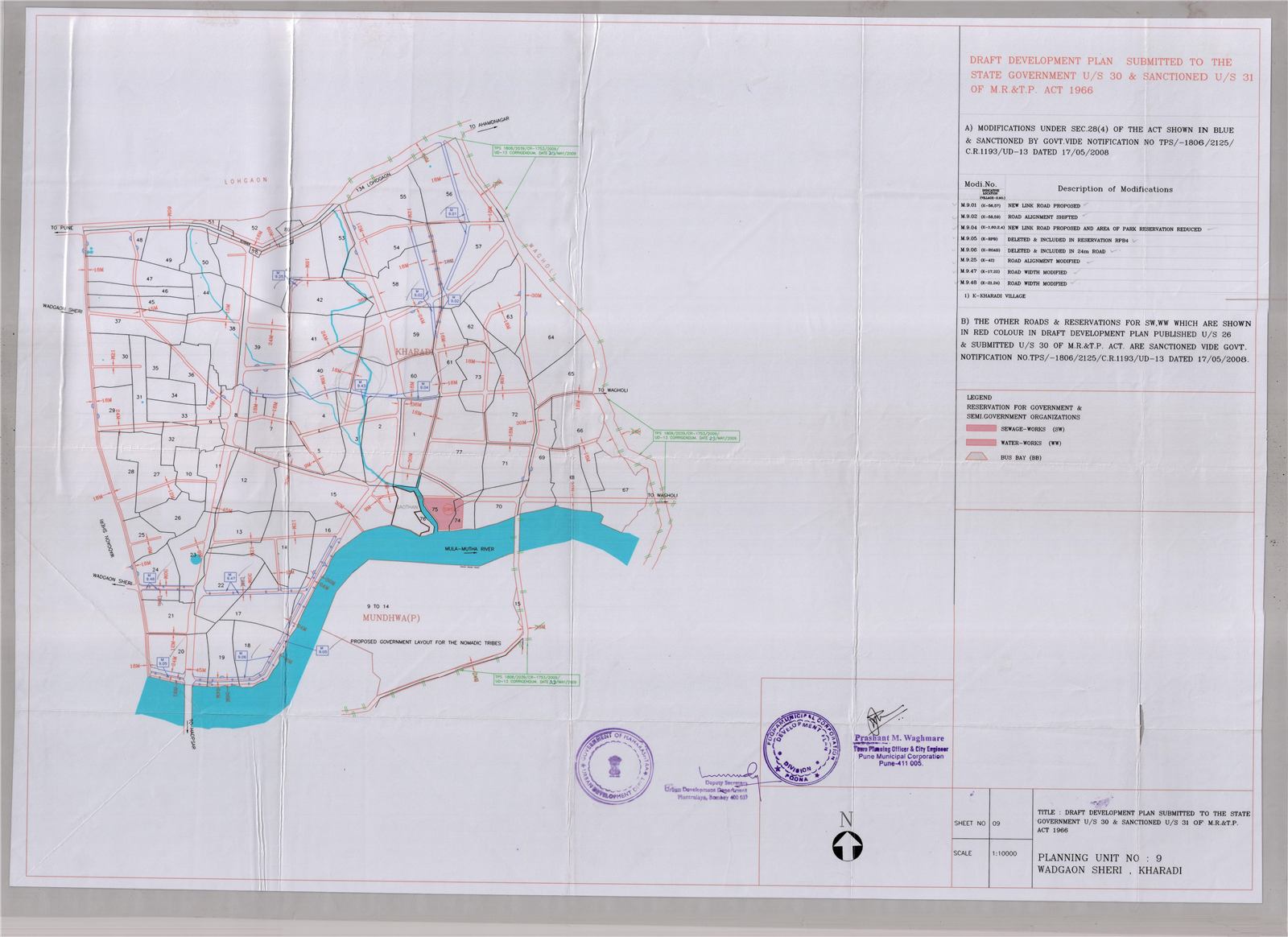
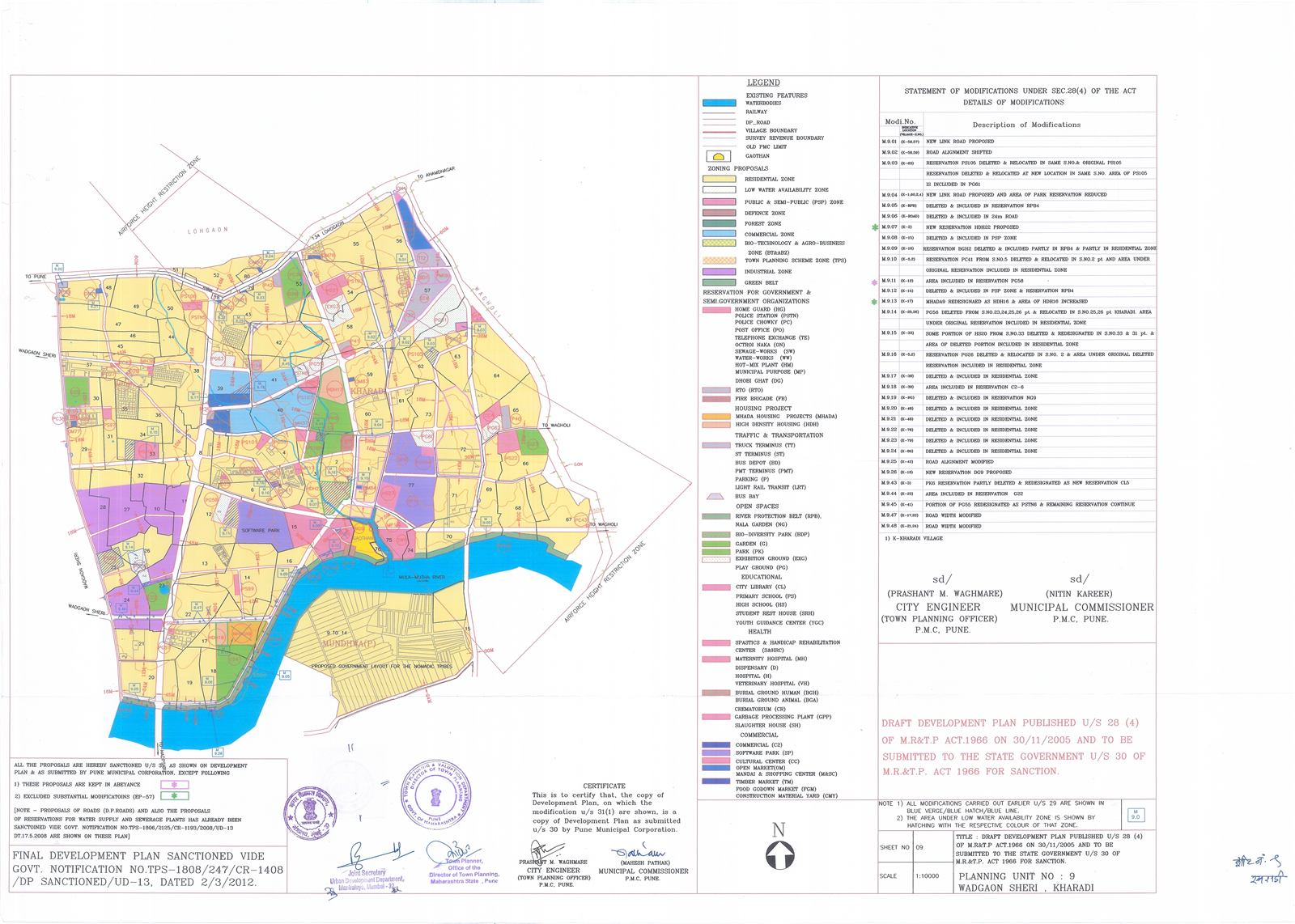
The research argues that the criticism is not only about ecological damage but about the governance process that authorised it: fragmented approvals, weak enforcement of environmental law, limited transparency, and public participation pushed to the margins, so that unsettled risks were absorbed into procedural clearances.