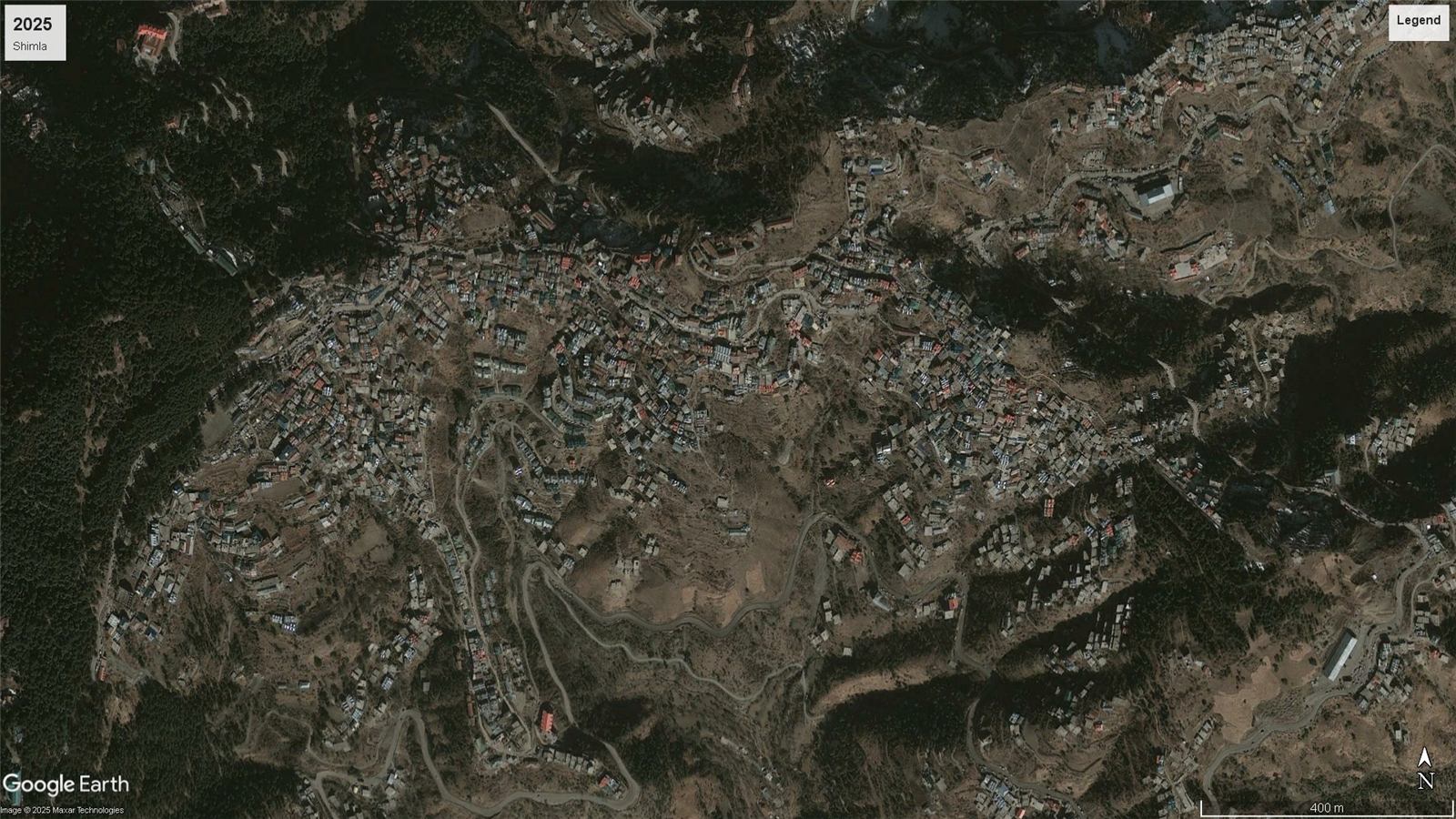
Agricultural land, reserved forests, wetlands, khazans and everyday green spaces are steadily reclassified and built over. Between 2021 and October 2025, over 91,650 hectares of forest land were officially approved for non-forest use: an area close to the size of Berlin, or a quarter of Goa. And those are only the sanctioned conversions.
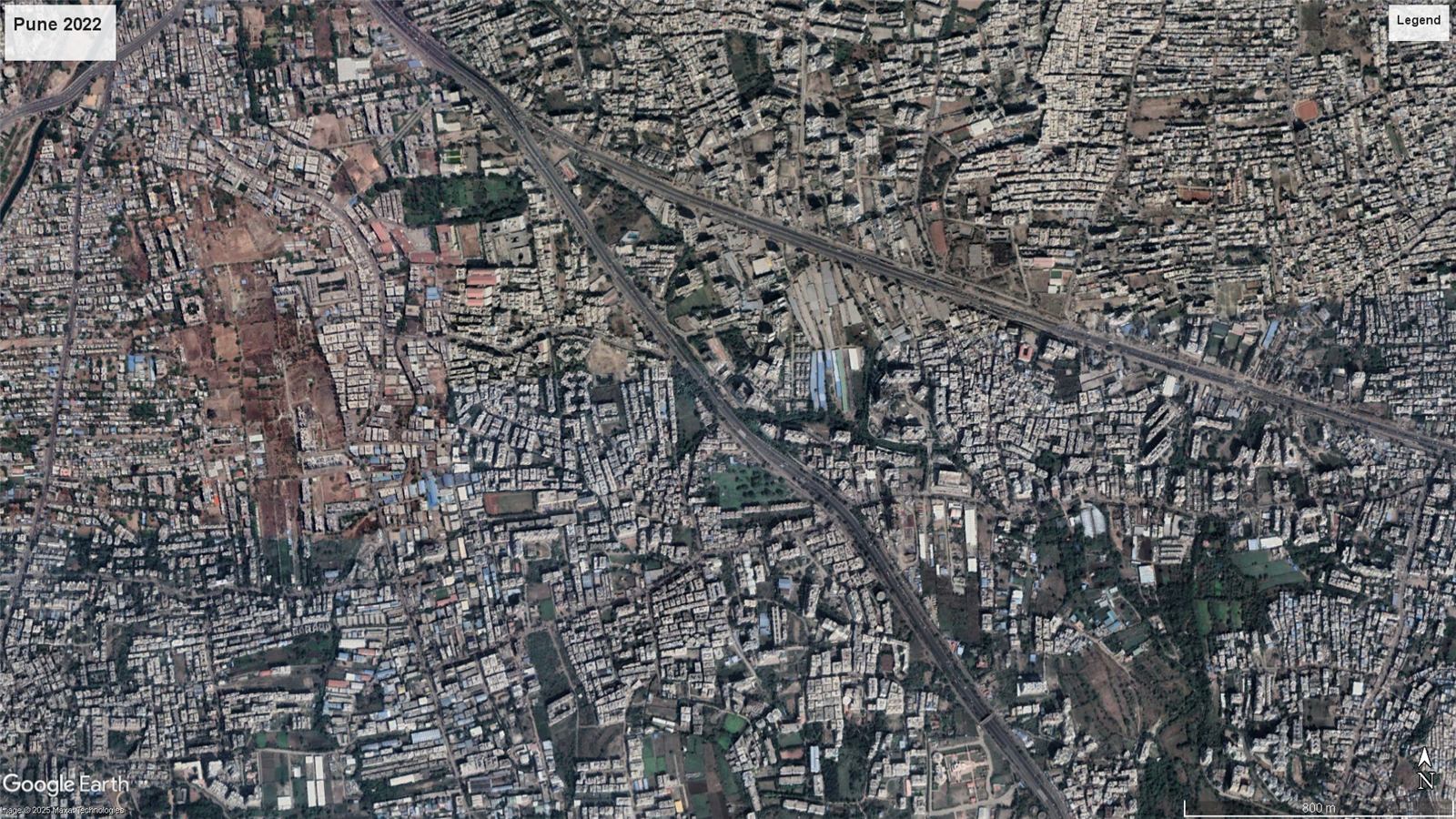
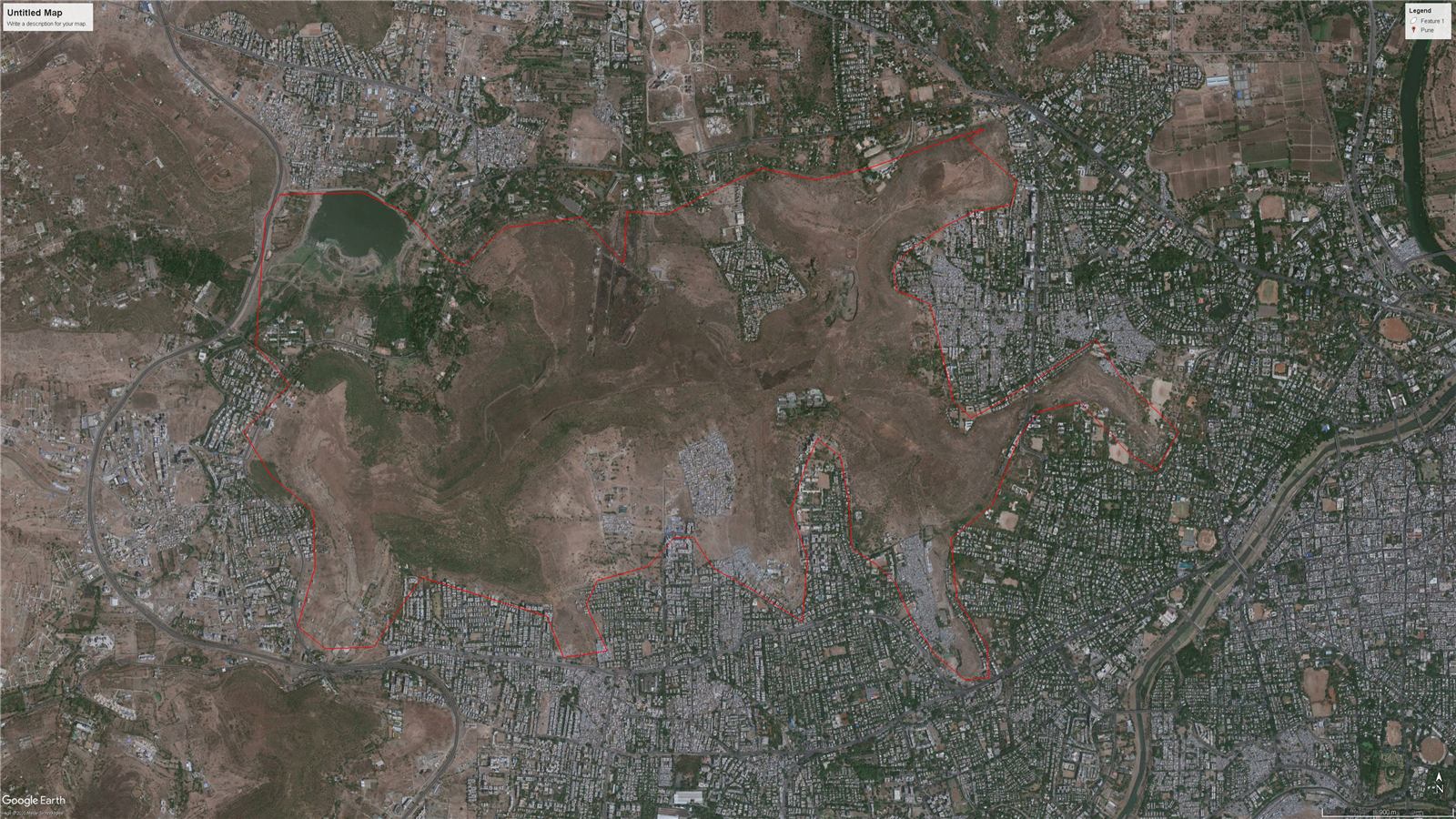
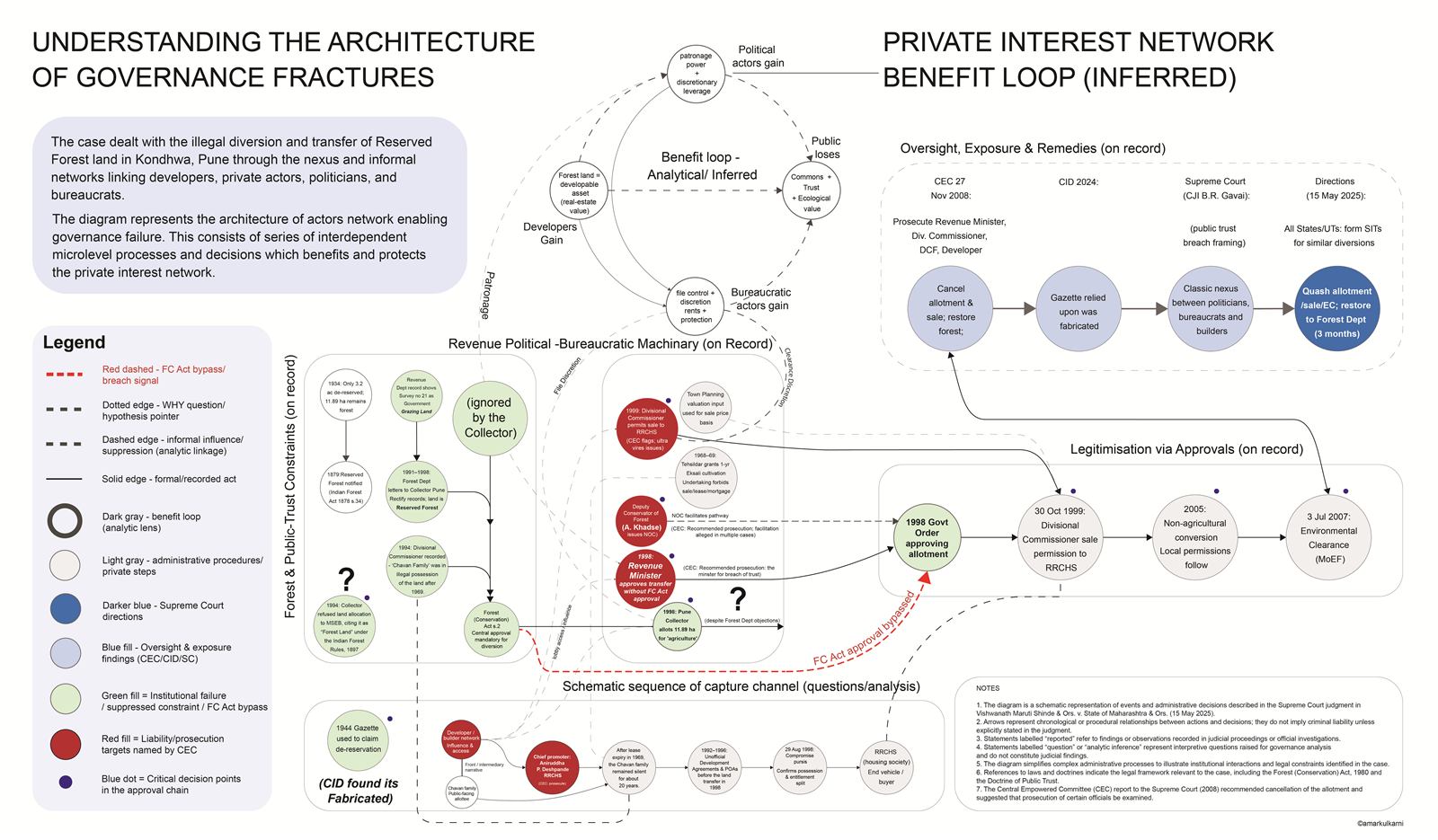
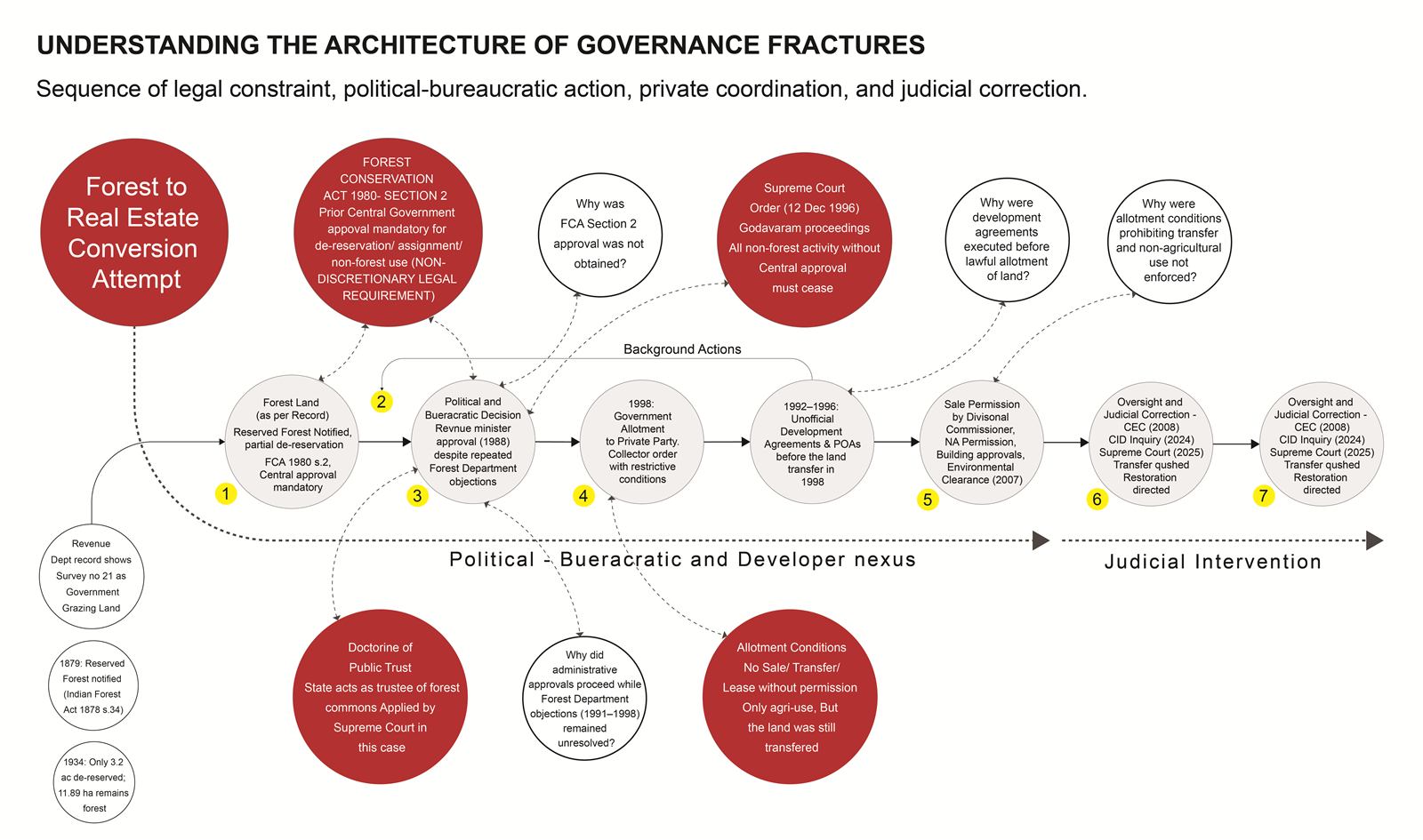
The research looks past the totals at the micro-level decisions, inter-departmental exchanges and procedural deviations that produce them. The Pune Kondhwa forest land case shows how degradation can come not from one unlawful act but from a sequence of decisions across institutions, each appearing valid, that together divert public ecological resources: carbon sinks, in climate terms.
It traces how gaps between legal mandates, jurisdictions and enforcement create room for political, extractive and regulatory rents, and why land conversion is so often left out of climate narratives: because it raises uncomfortable questions of accountability, transparency and justice.