Himachal Pradesh's Himalayan ecosystems are changing fast. Snow cover fell by 18.5% in a single year, between 2019 and 2020. Glaciers in the Lahaul valley are retreating by 0.3 to 1 metre a year, and the region lost 13% of its glacier area between 1999 and 2011. Temperatures have risen 1.3°C in three decades, and local emissions, much of them from transport, are part of the story.
On tourist routes like Manali – Keylong – Kaza, more than 70% of incoming vehicles run on diesel and cause 35 to 40% of local air pollution in peak season. PM10 spikes to 80–100 µg/m³, against a safe limit of 60. Over 10.5 lakh domestic tourists visited Lahaul-Spiti in 2024, 13.24% more than the year before.
The state has committed to becoming a Model State for Electric Vehicles.
That commitment includes converting 3,000 fuel-based taxis to electric and building six green corridors with charging infrastructure. Electric mobility can cut air pollution, protect glacier-fed water and support tourism that doesn't wear the mountains down. Making it happen means getting a dozen institutions to move together.
What the work involves
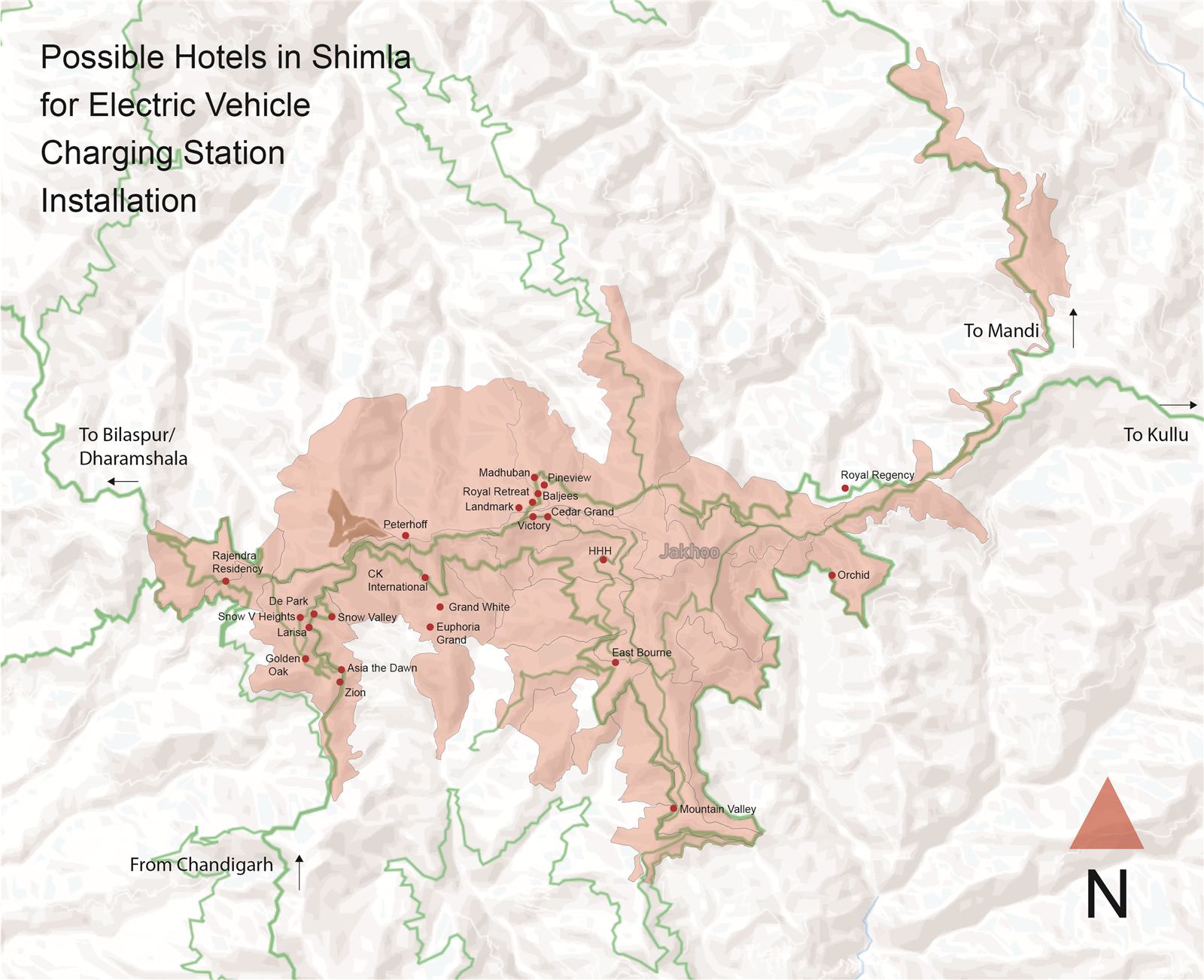
- A State EV Roadmap and five city plans for Shimla, Baddi, Dharamshala, Hamirpur and Mandi, matching local readiness and charging needs to state climate targets.
- Green Corridors: mapping, feasibility, site coordination and follow-up for highway charging under a Chief Minister's flagship scheme.
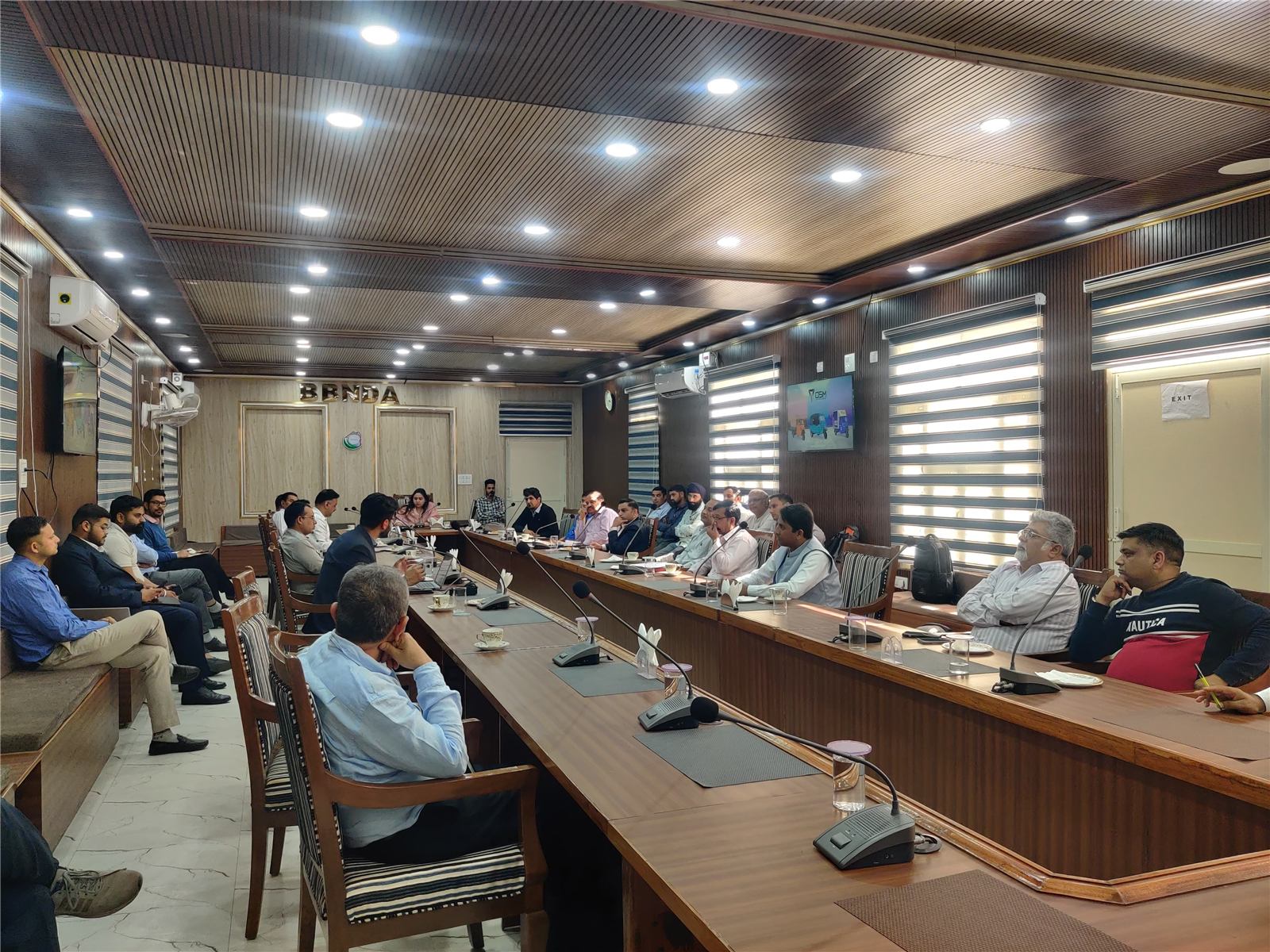
- Getting departments to work together: Transport, the Principal Secretary's office, HRTC, RTDC, the State Electricity Board, Tourism and the EV monitoring committees.
- Industry: working through barriers and partnerships with IOCL, Tata Motors, Hyundai, Eicher, Sunfuel Electric and others.
- Schemes and finance: e-taxis, hotel and destination charging, and e-bus business cases covering total cost of ownership, grants, loans and non-fare revenue.
- Sensitisation workshops in Kinnaur, Dharamshala, Solan, Shimla and Baddi.
Together these are building an EV ecosystem in Himachal Pradesh that supports sustainable tourism, cuts emissions and creates jobs. The work happens in committees as much as on highways, and that's the only way a state-wide transition holds.