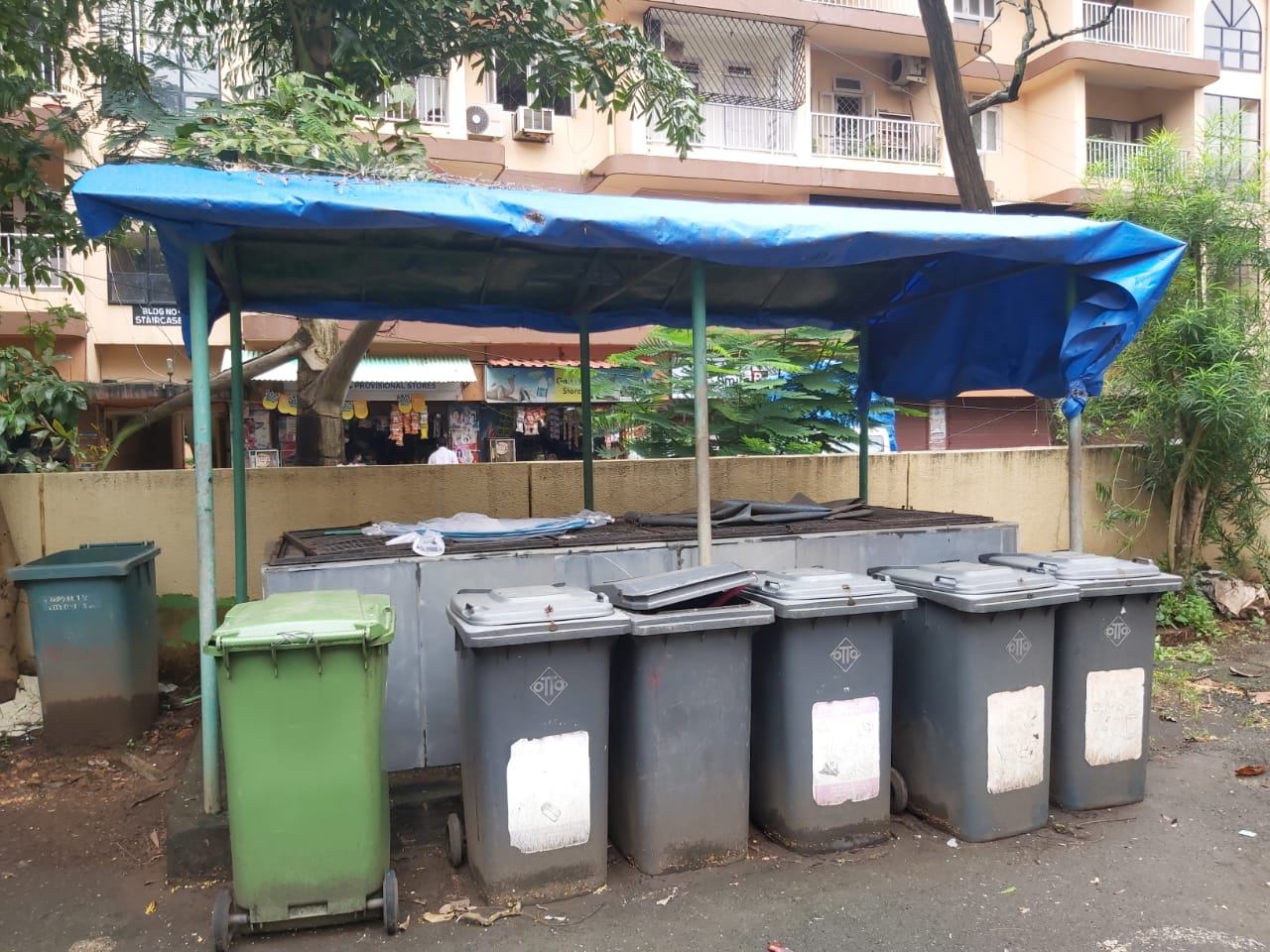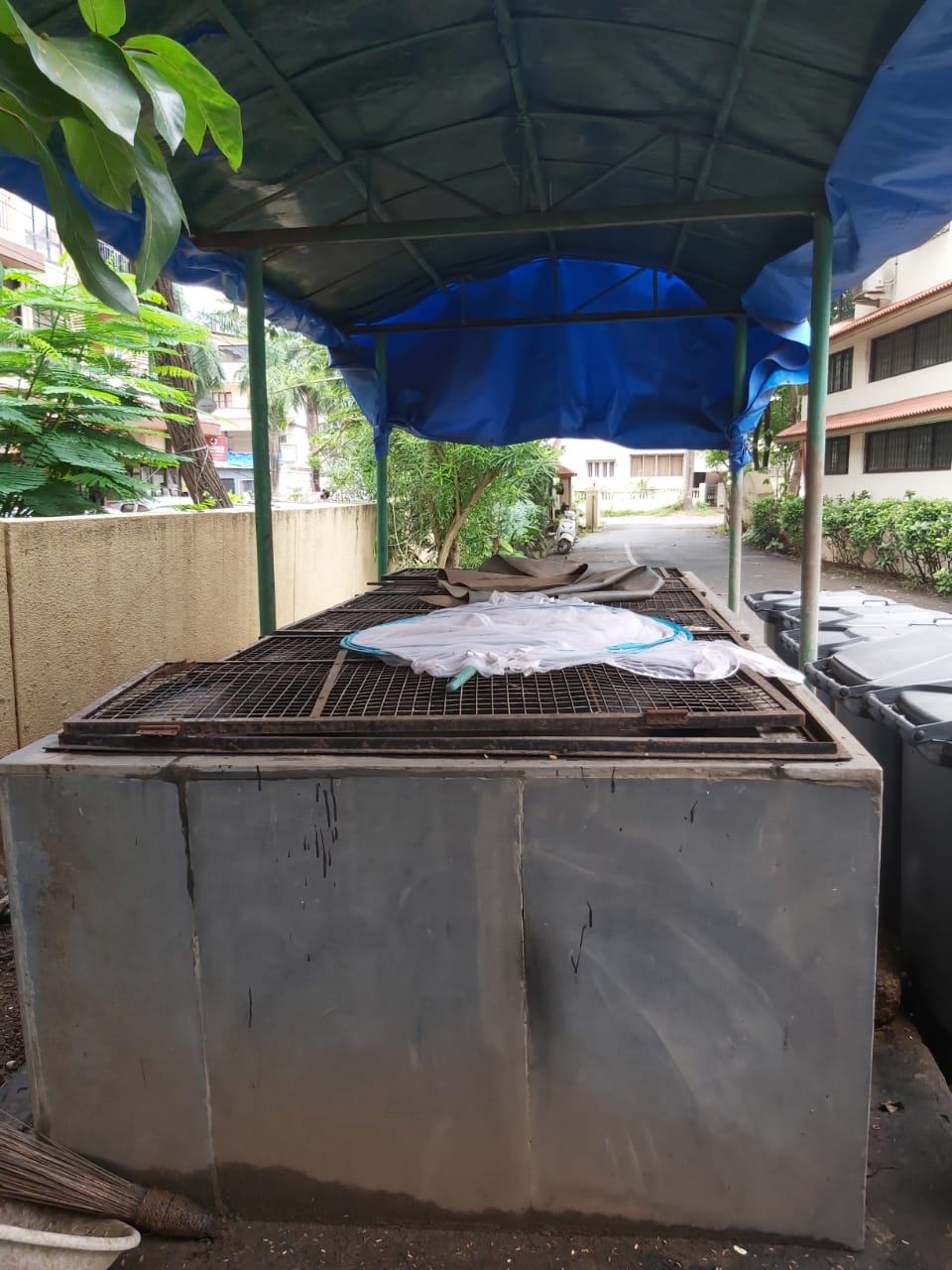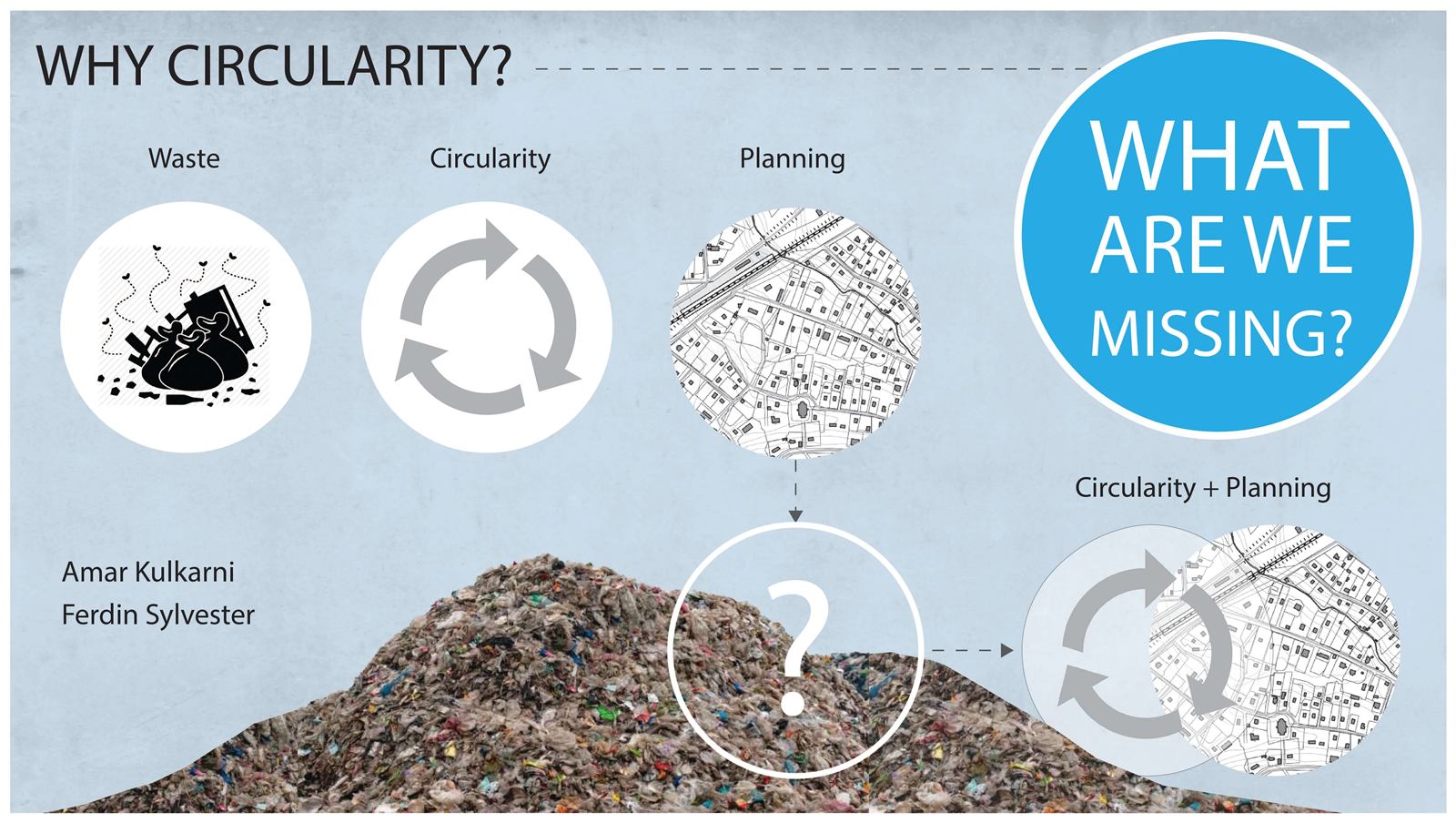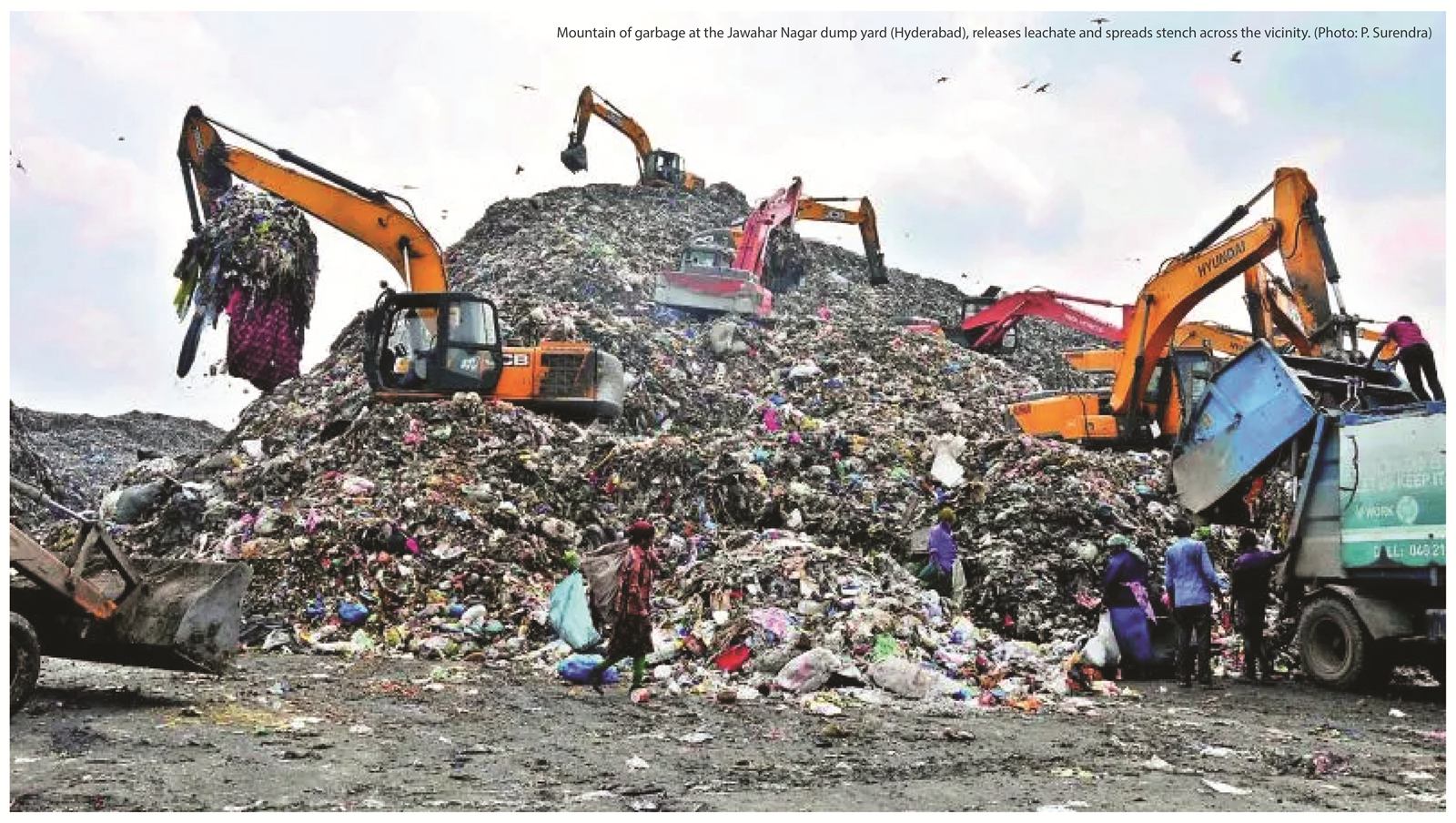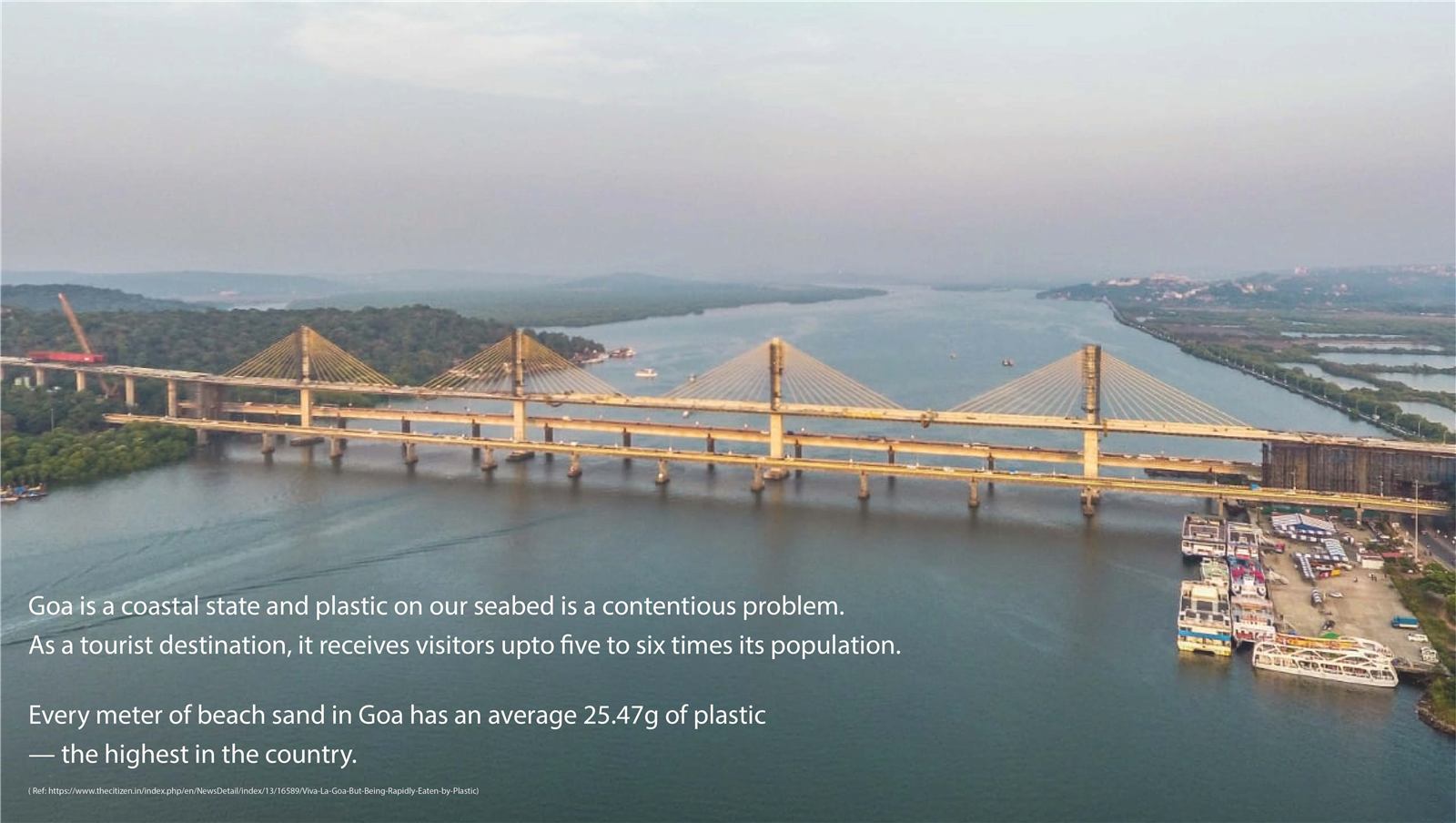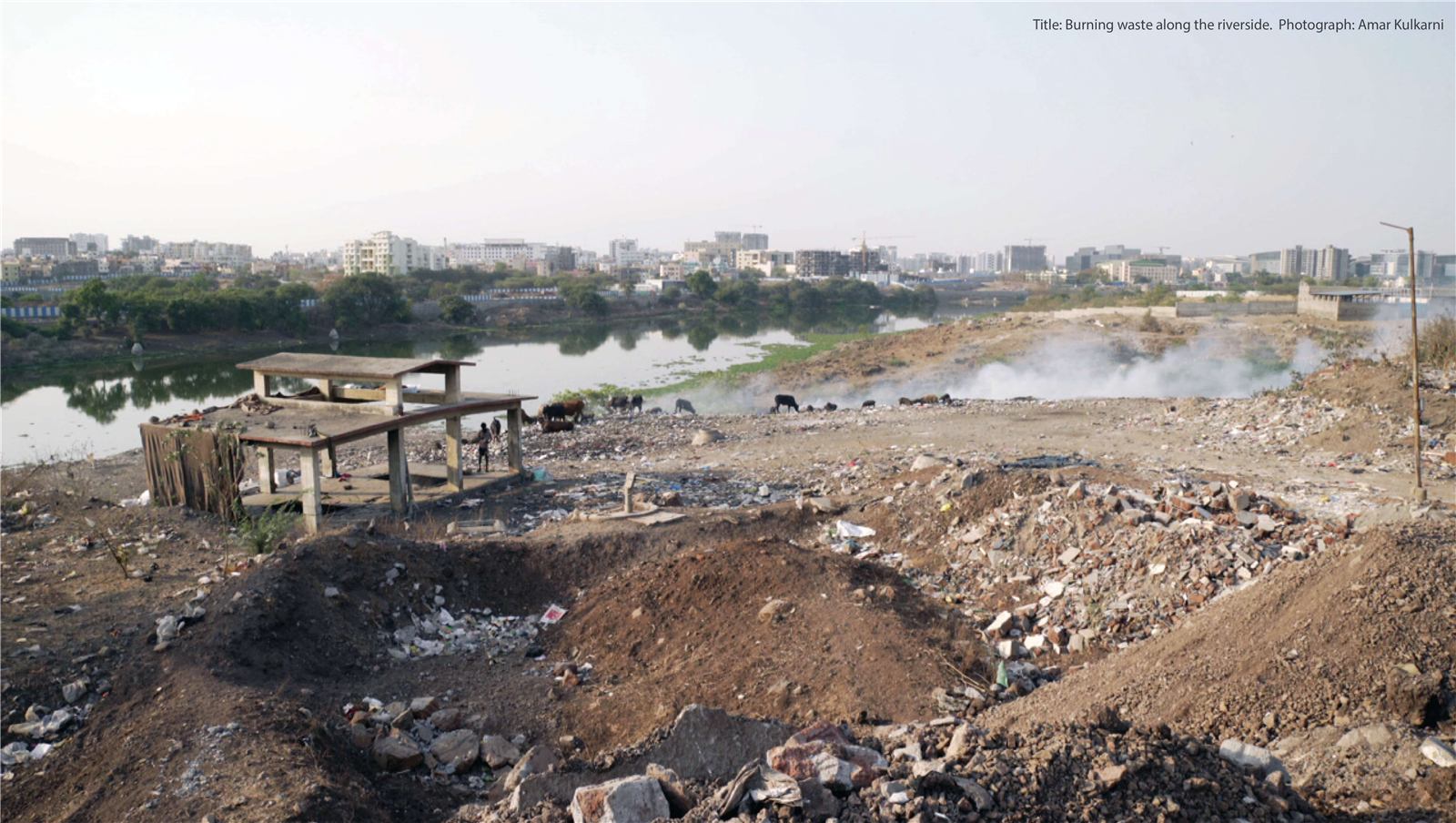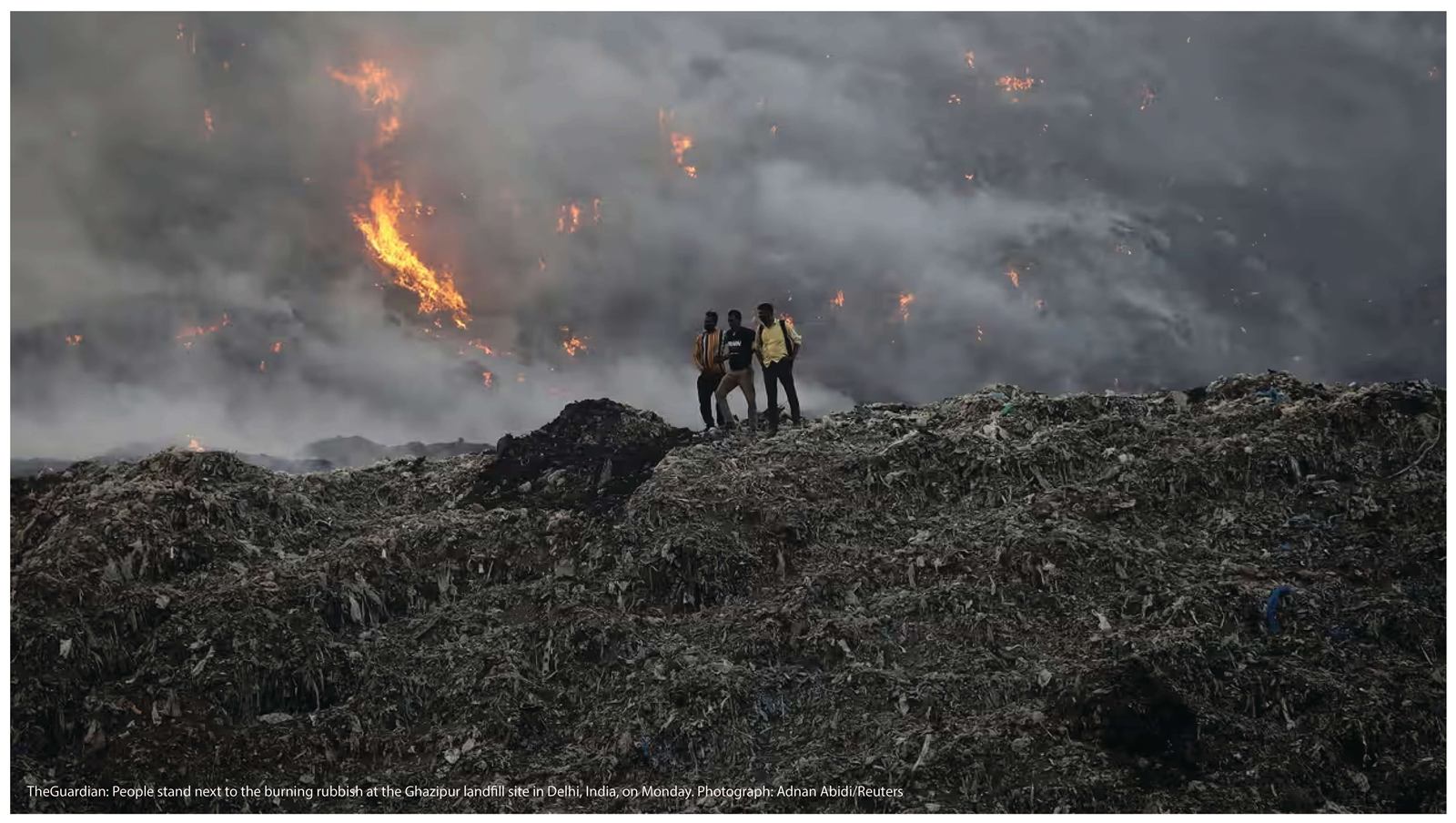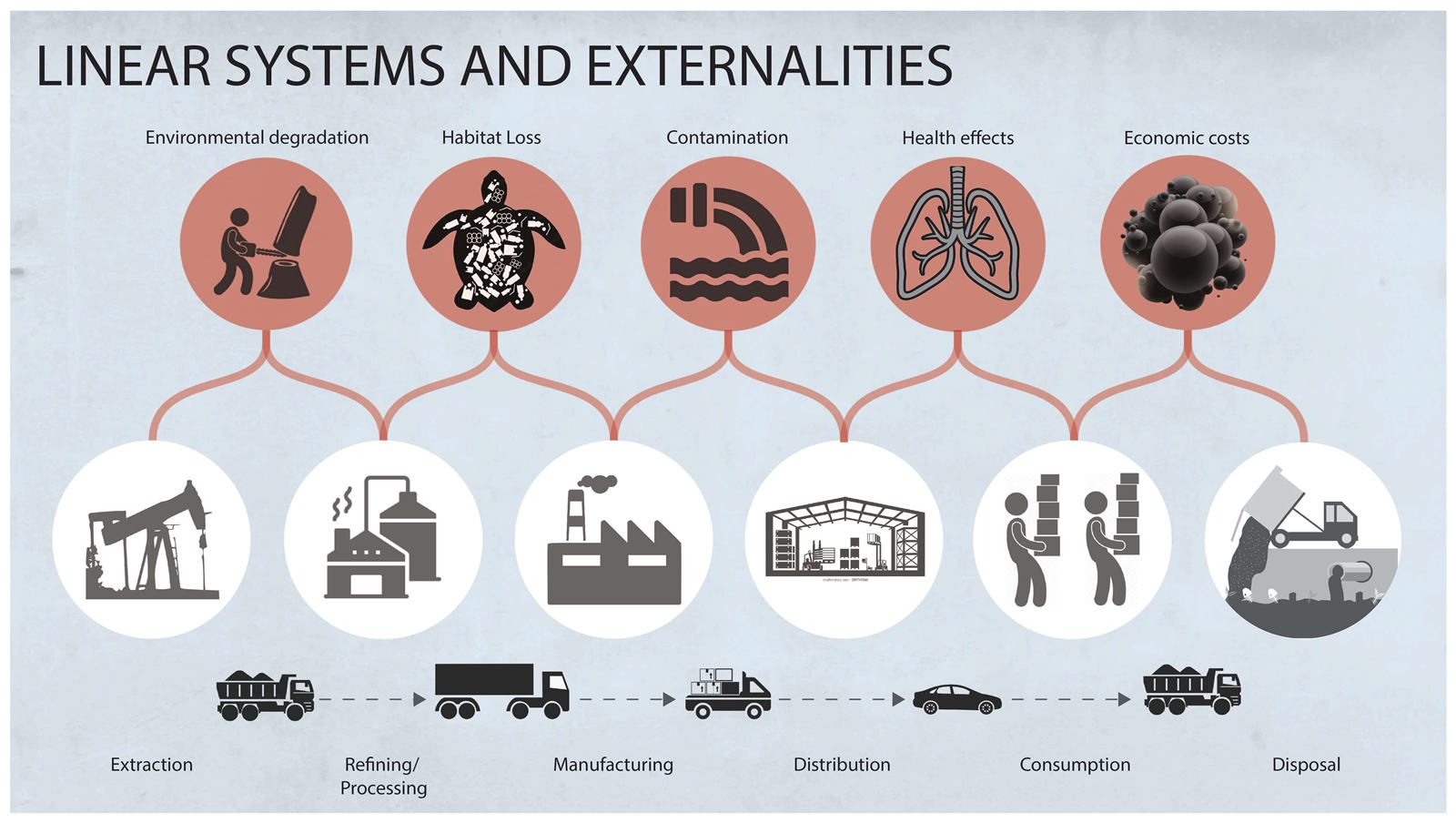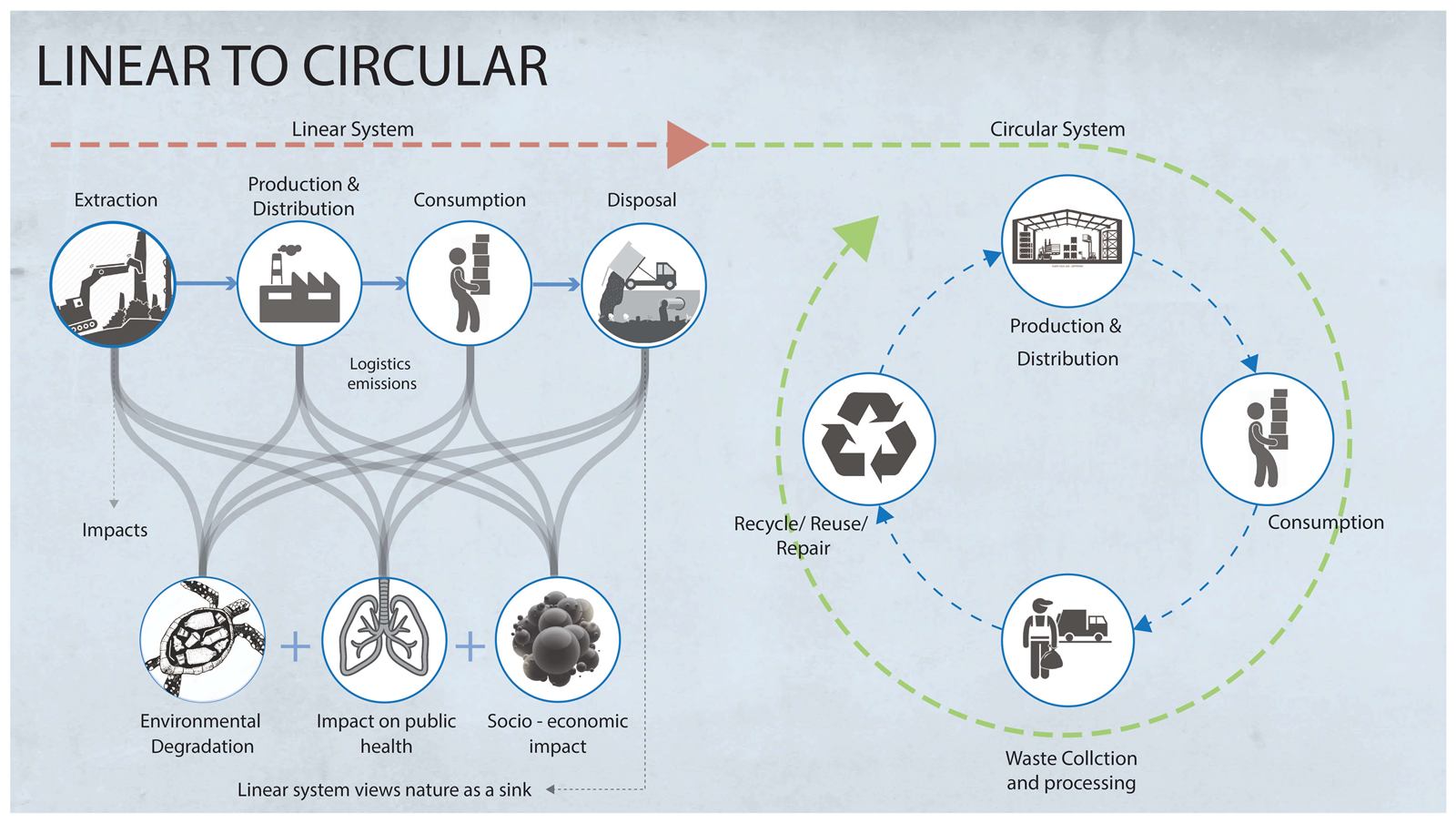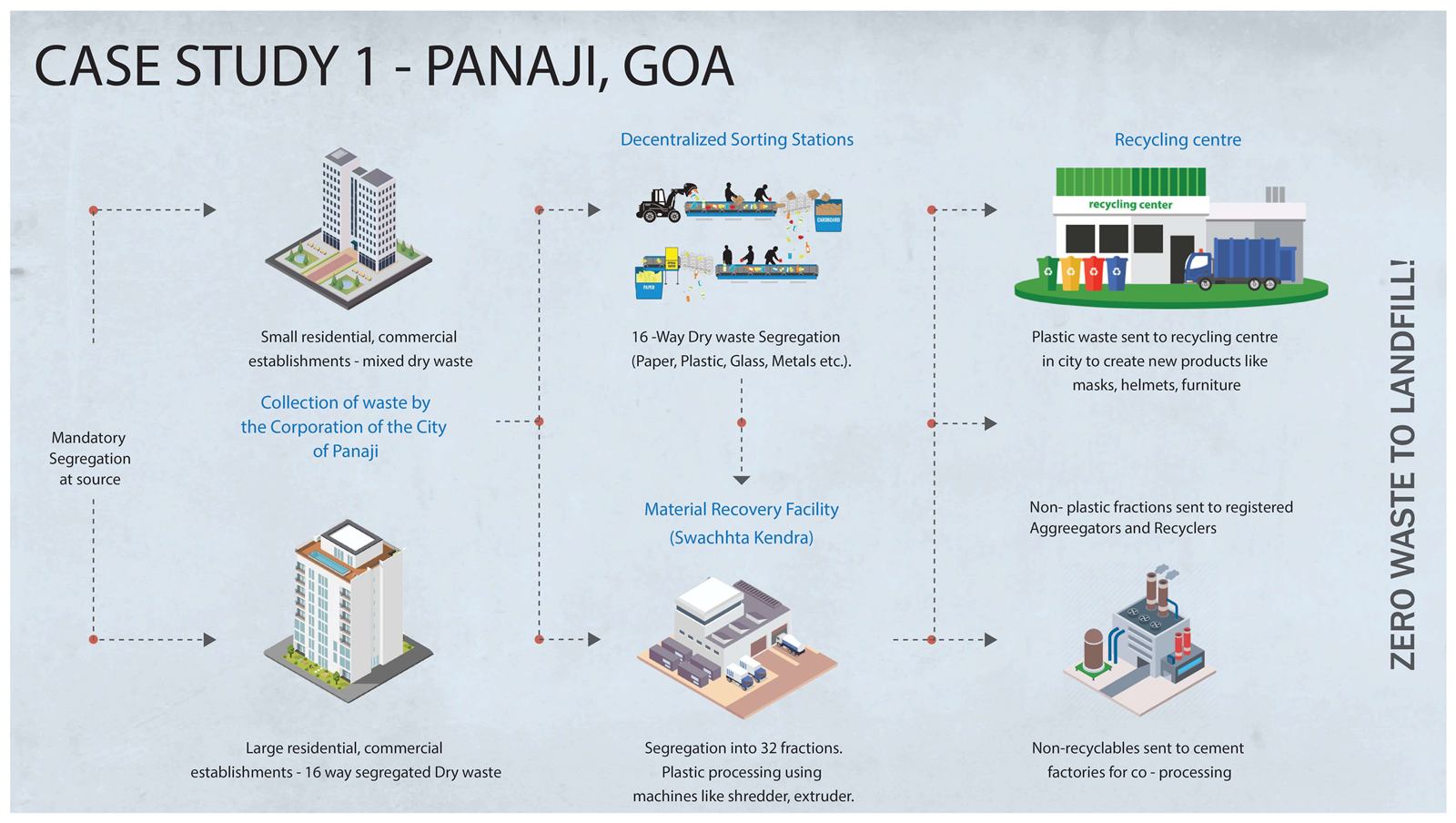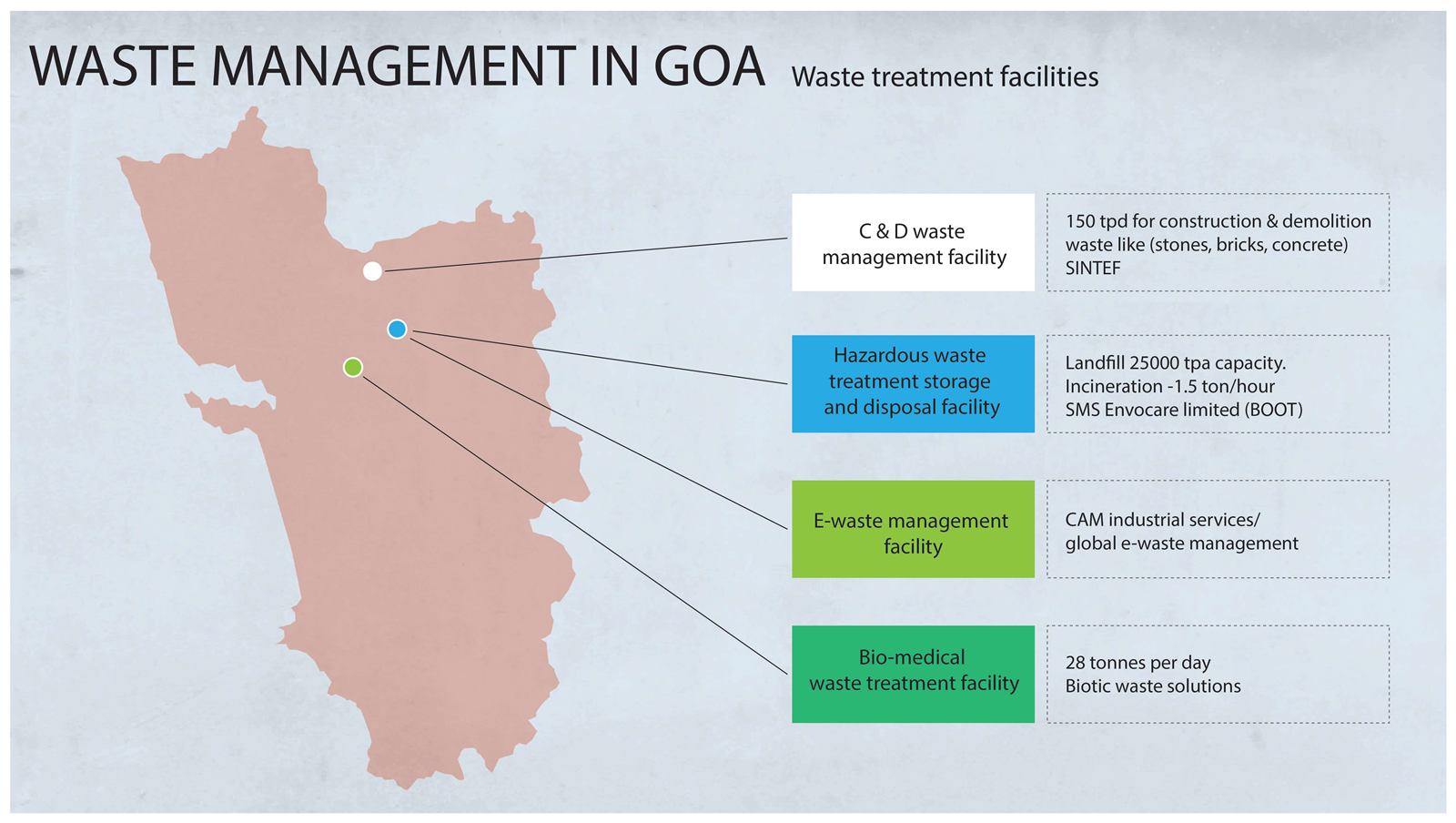
Panaji treats close to 100% of its waste and has no landfill. That took infrastructure, rules and a lot of meetings with housing societies. I documented and presented the system, and argued for treating circularity as a planning question rather than only a waste one.
The system
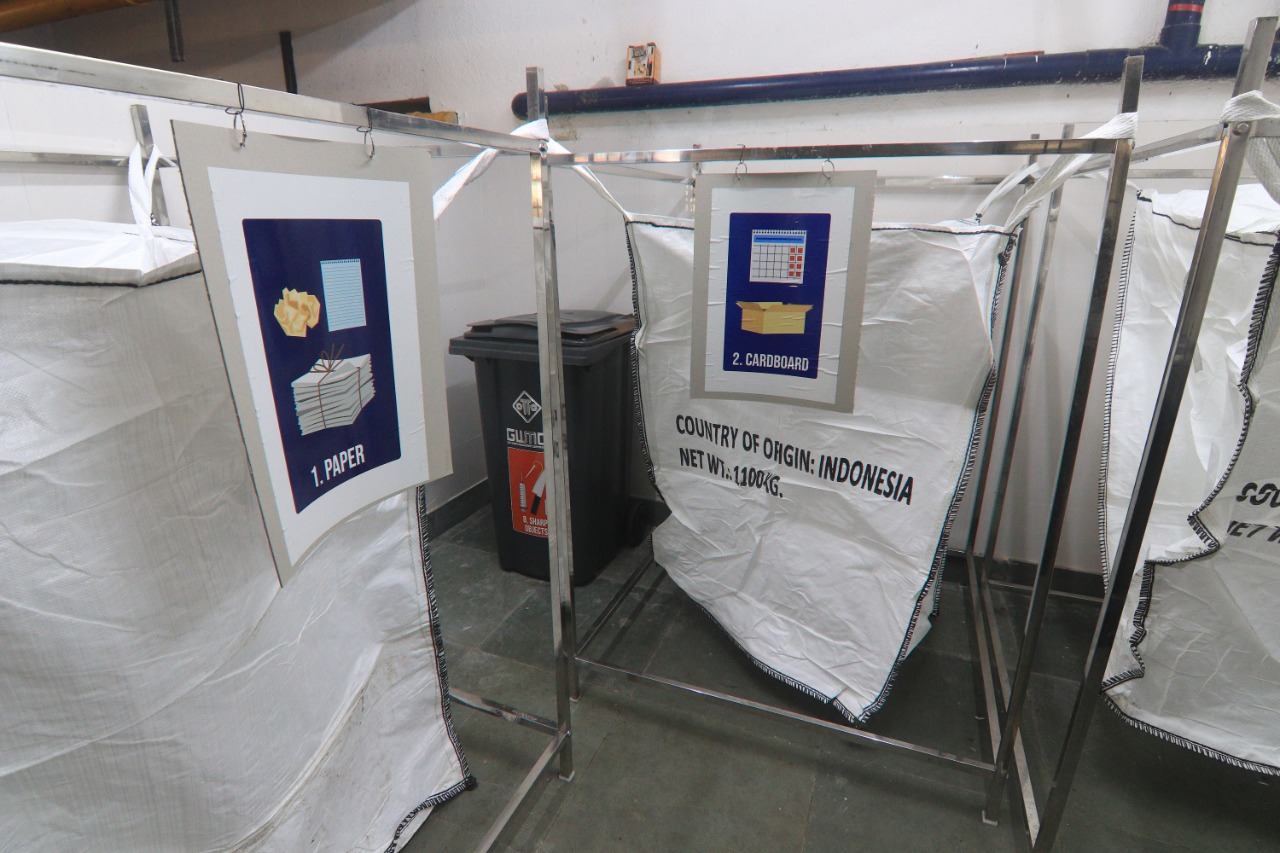
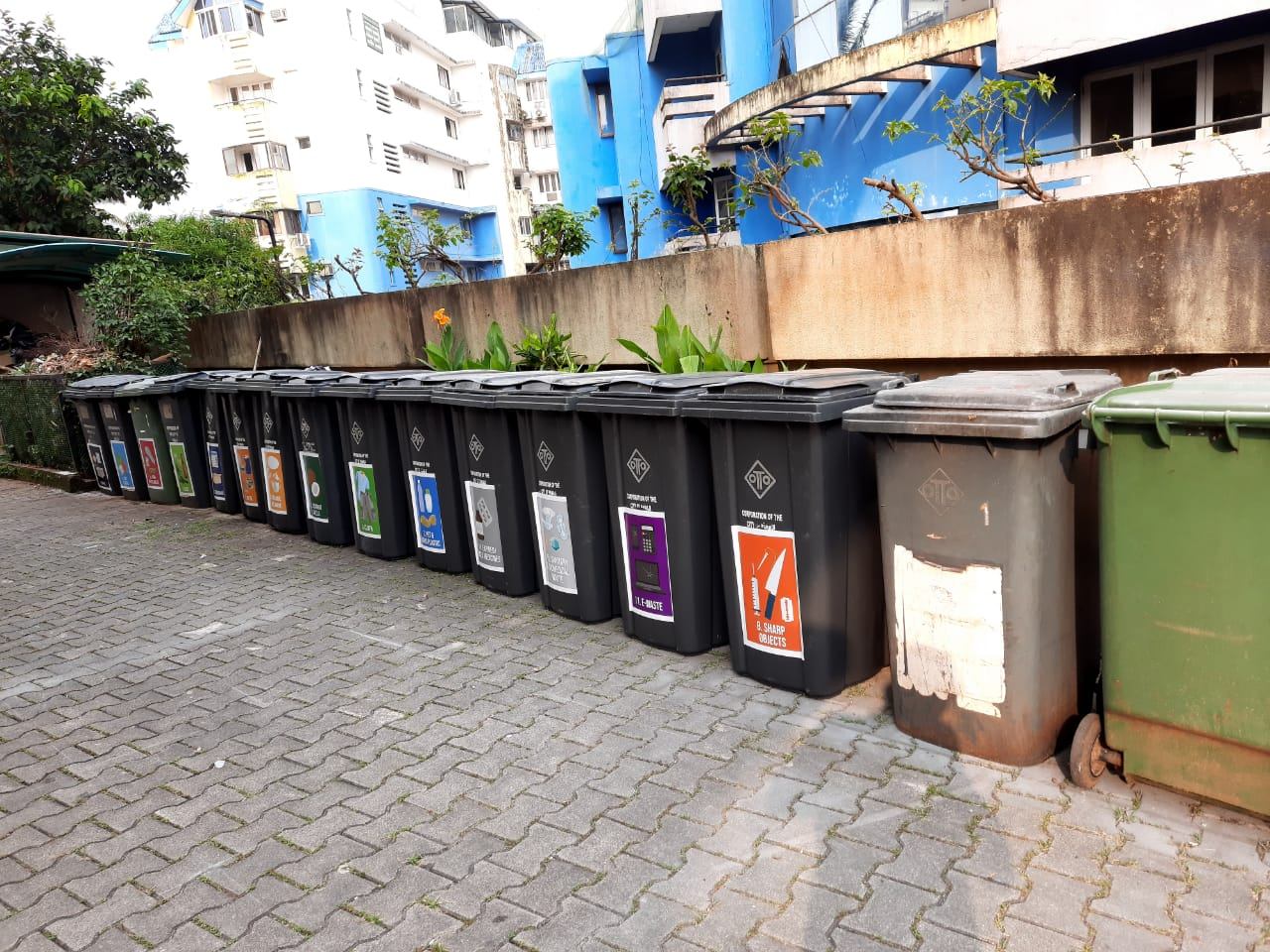
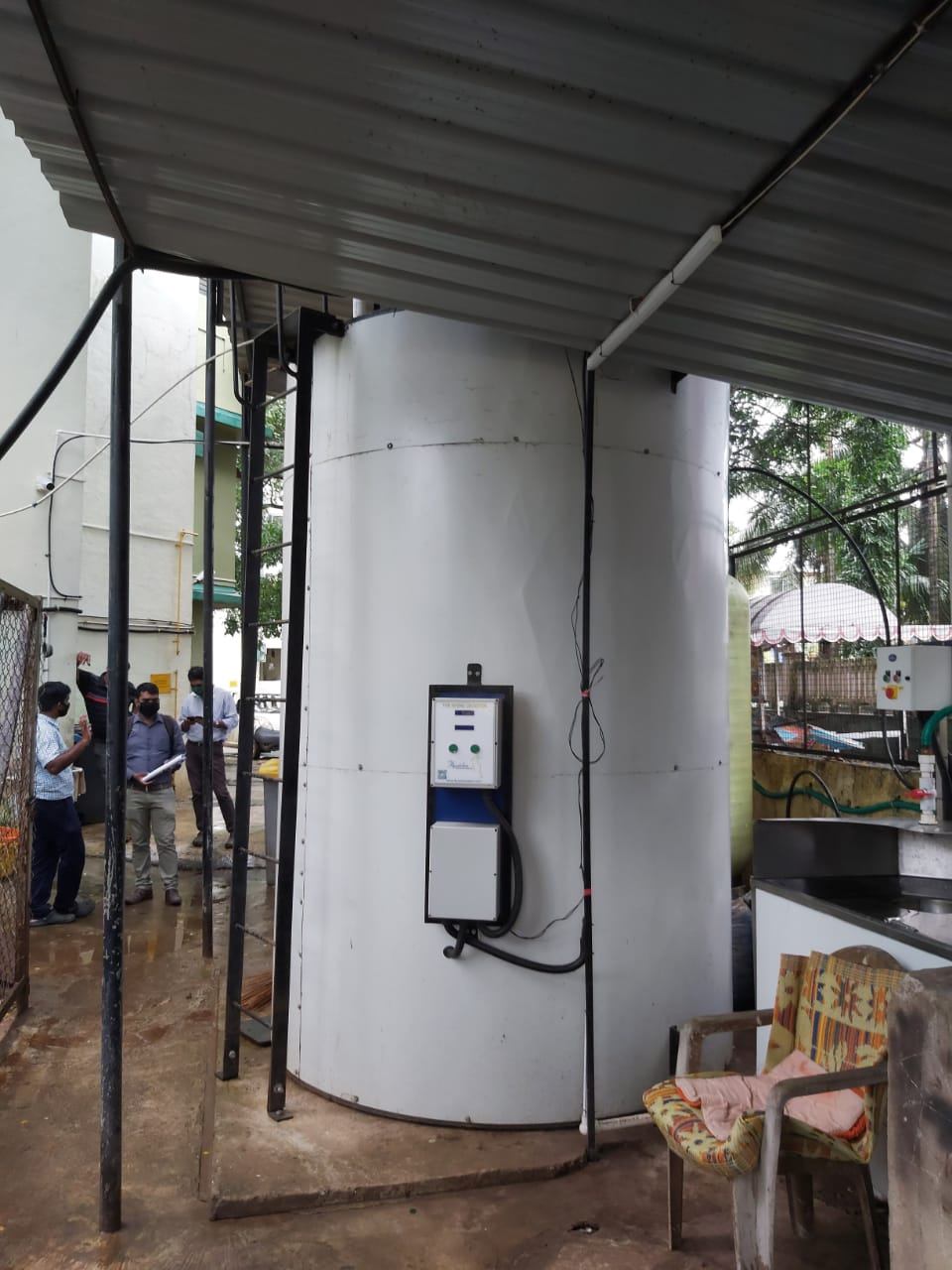
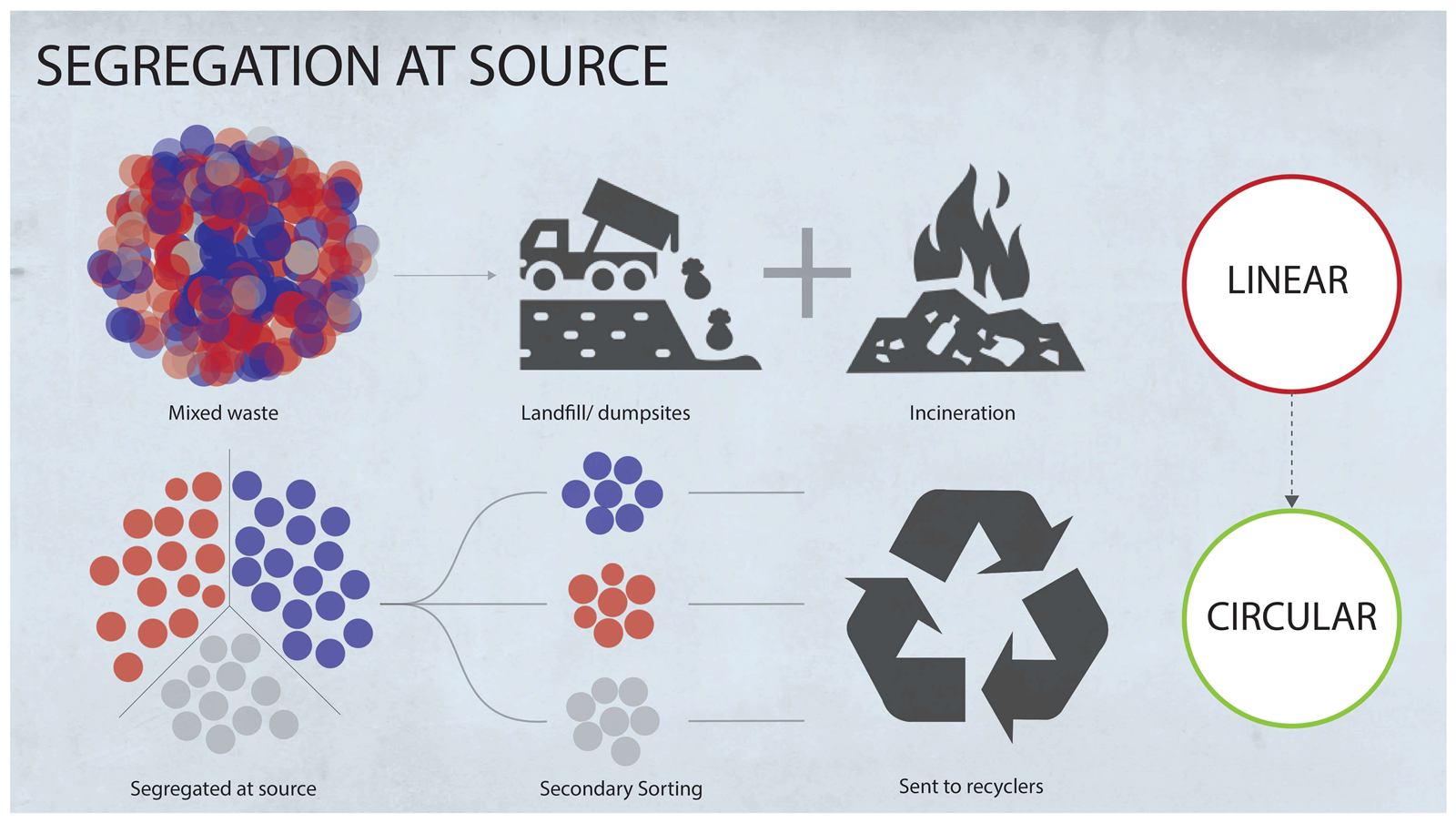
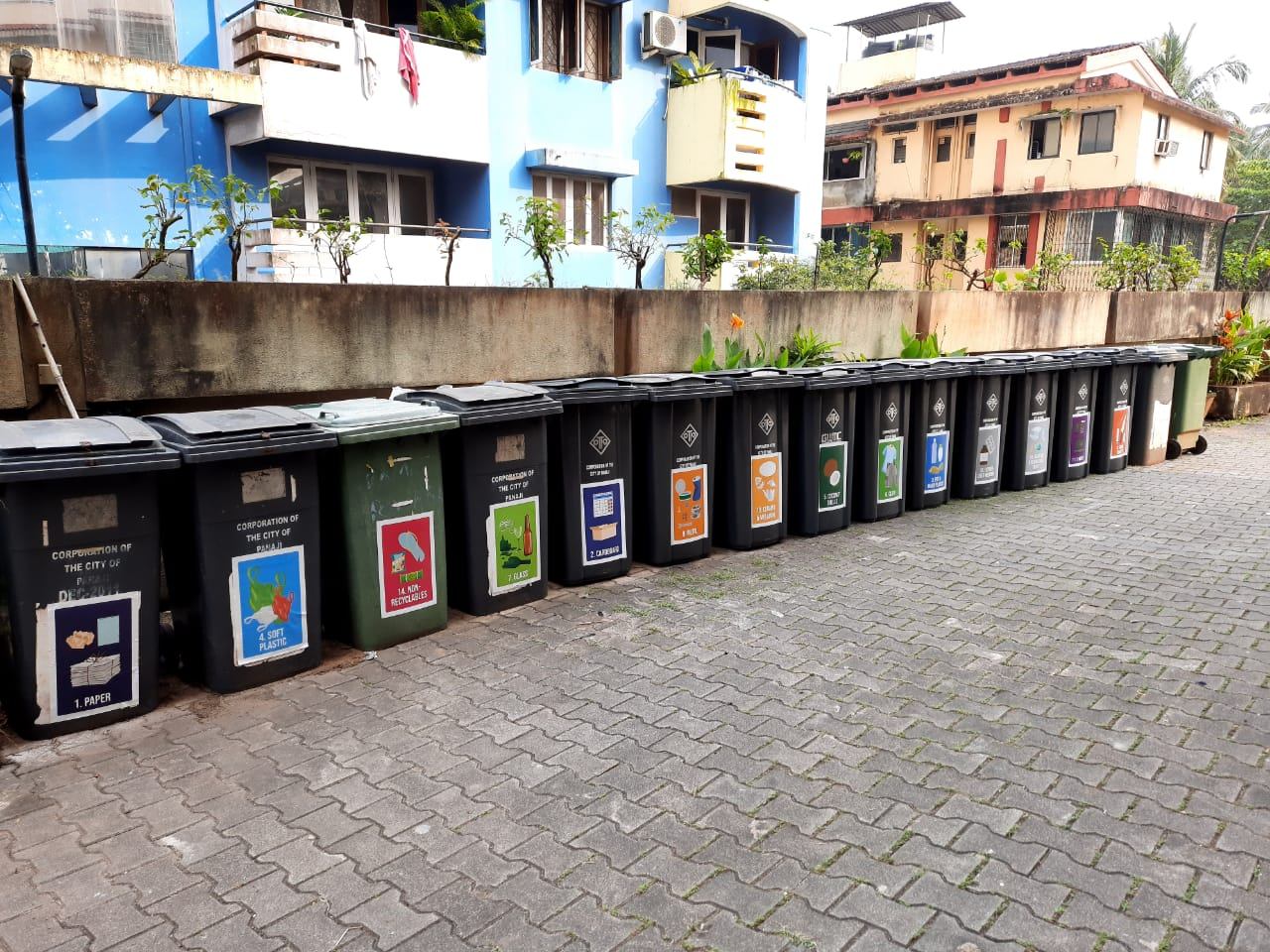
The city runs 45 waste vehicles, 6 decentralised sorting stations for dry waste, a Material Recovery Facility, a wet waste processing centre, a bulk composting station, a plastic recycling centre, and 16-way segregation bins at 40 residential societies. Door-to-door collection, shop-with-your-waste, a ban on single-use plastic bags, litter bins with awareness boards in tourist areas, and a grievance app make it work day to day.
Daring Cities, 2020
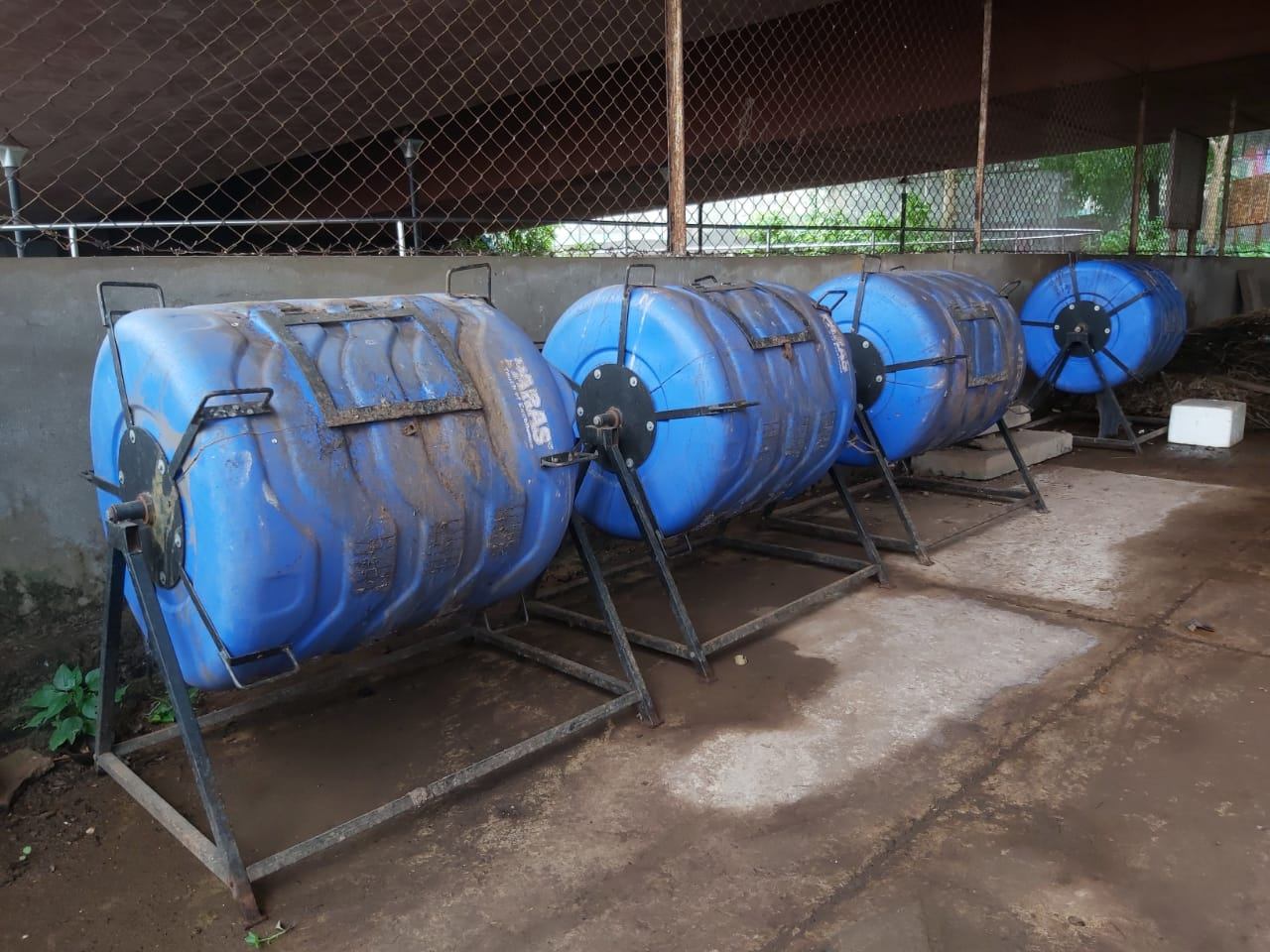
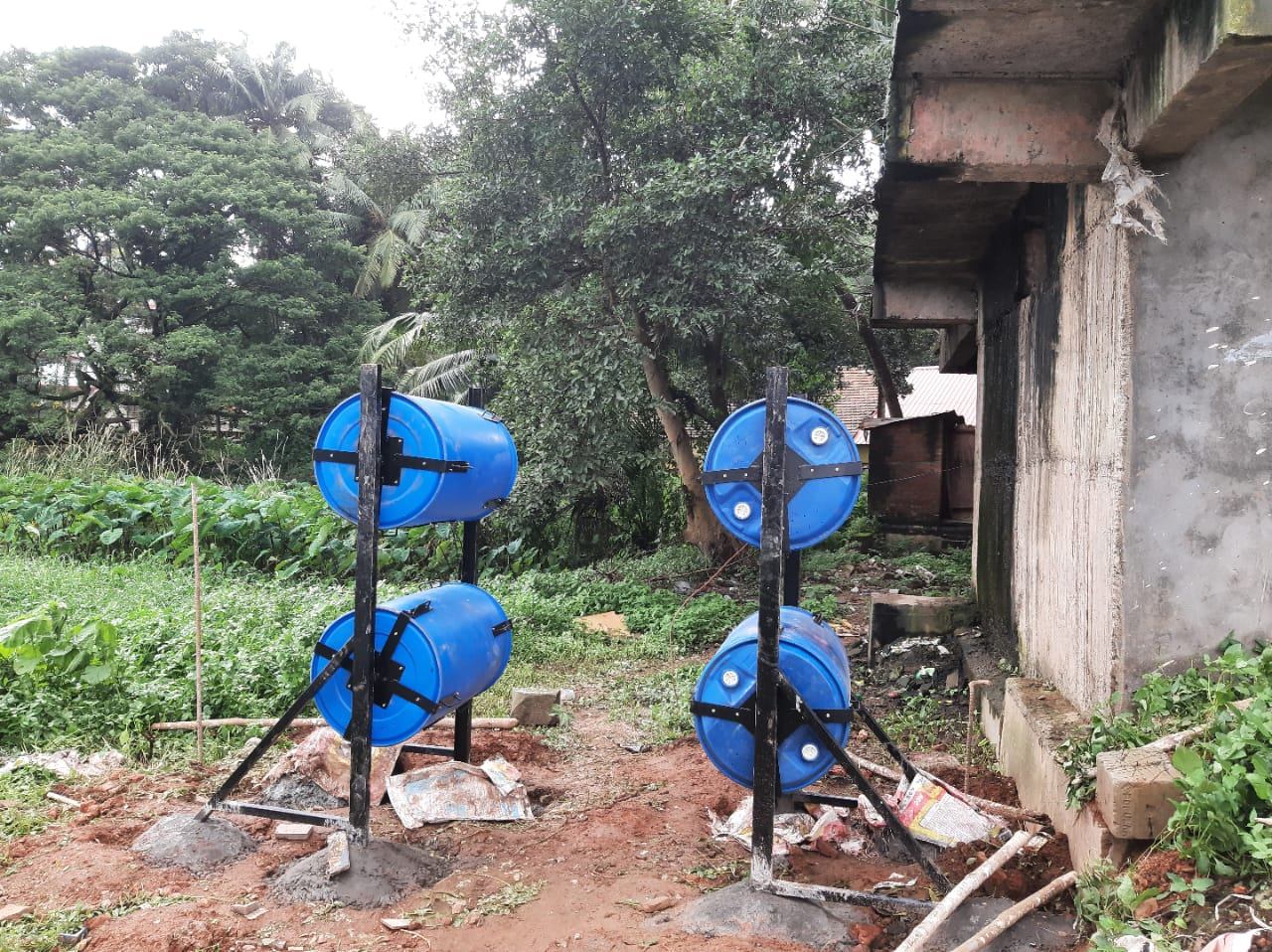
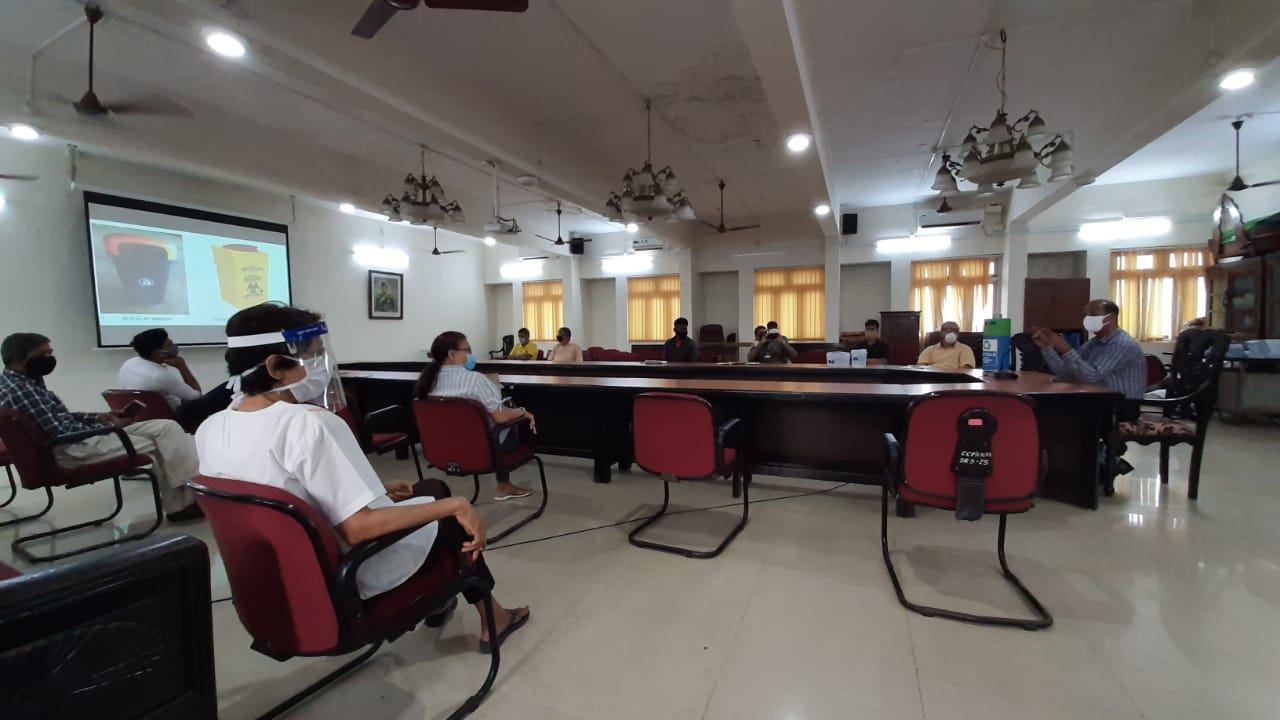
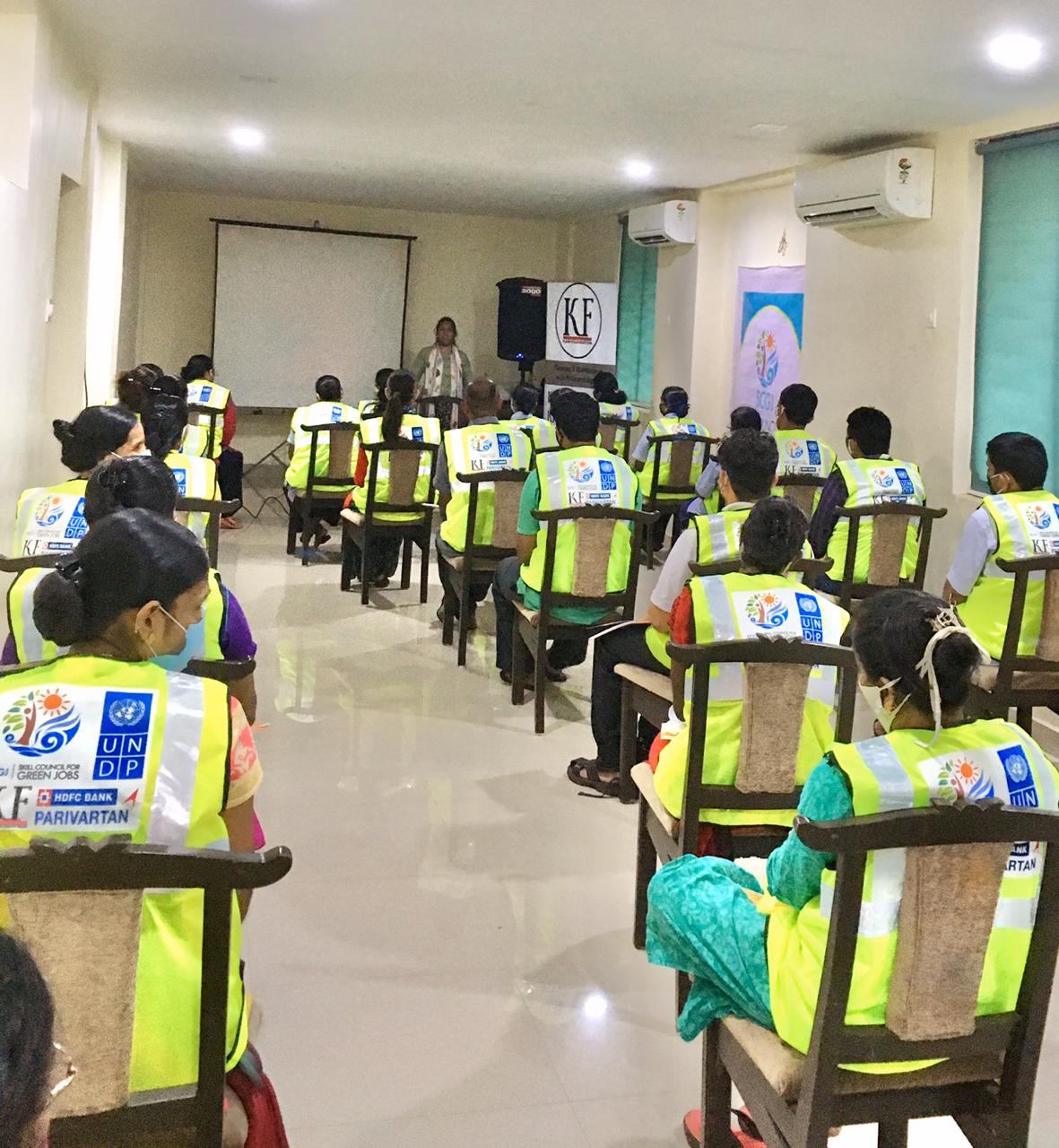
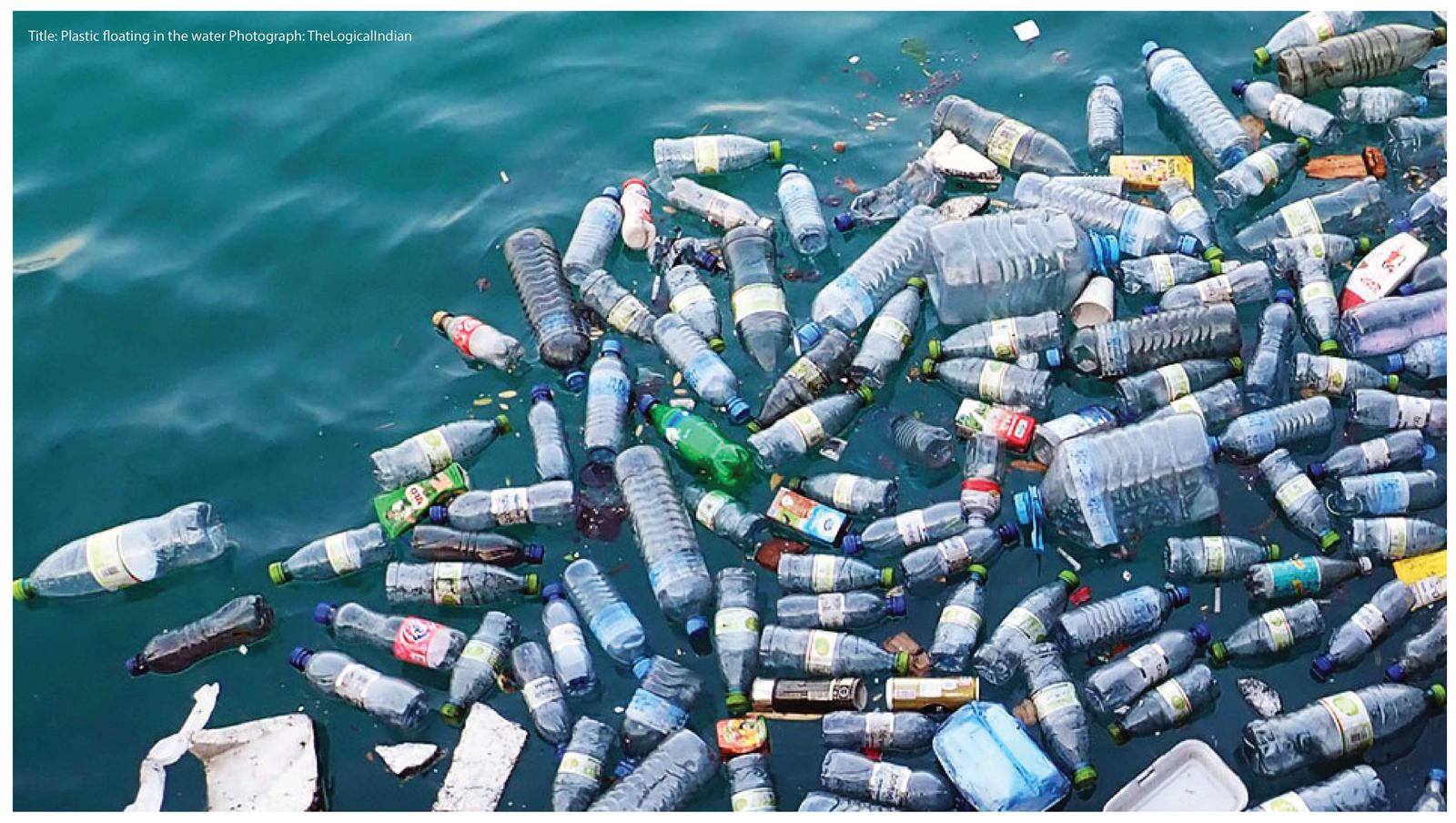
At ICLEI's Daring Cities forum the city presented Enabling circular economy through reduction and scientific management of plastic waste: the 16-way segregation set-up in housing complexes, compost tumblers, biodigesters and composting stations, meetings with residents and businesses, and COVID-19 safety training for housekeeping staff.
Waste, circularity and planning
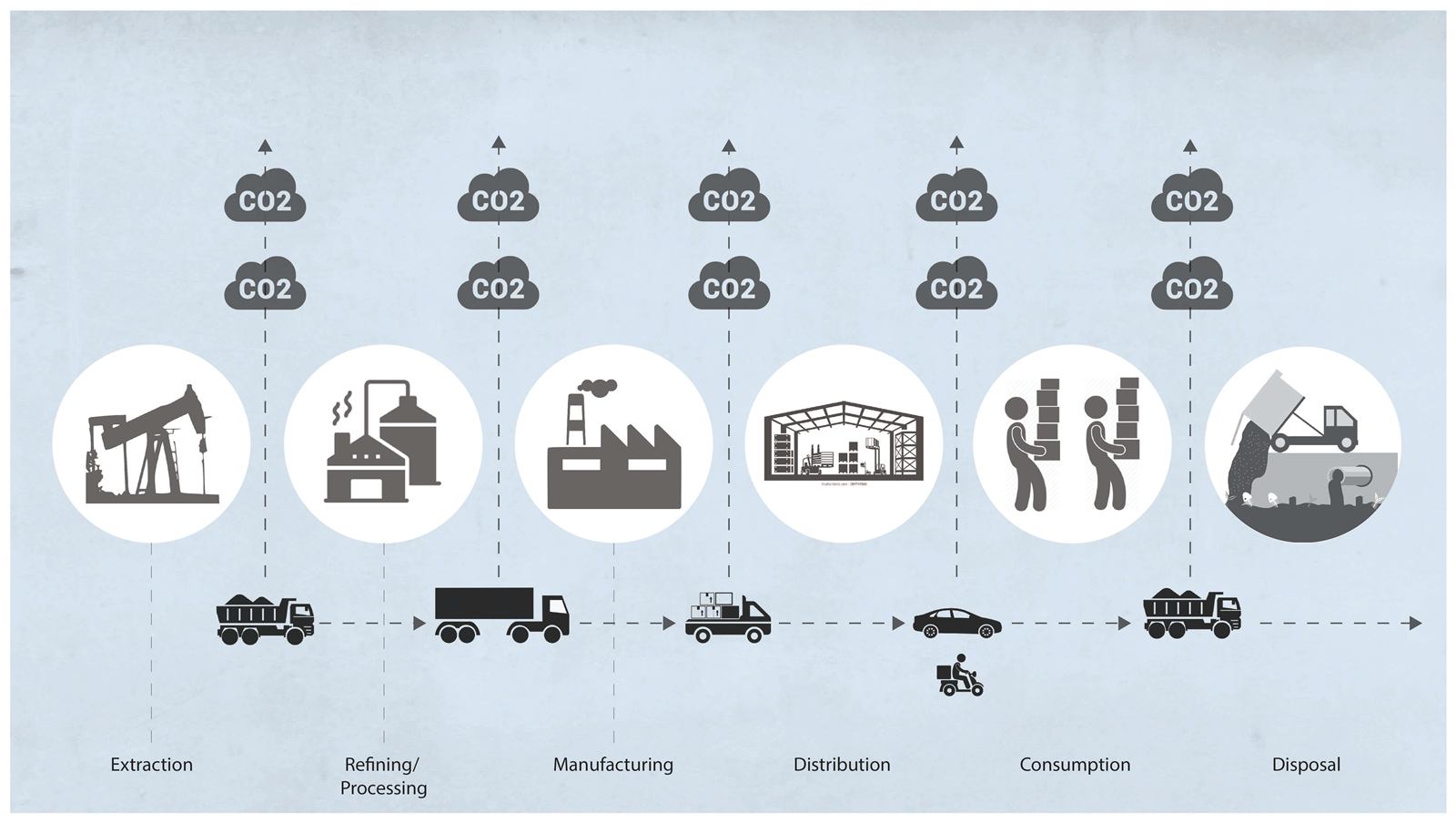
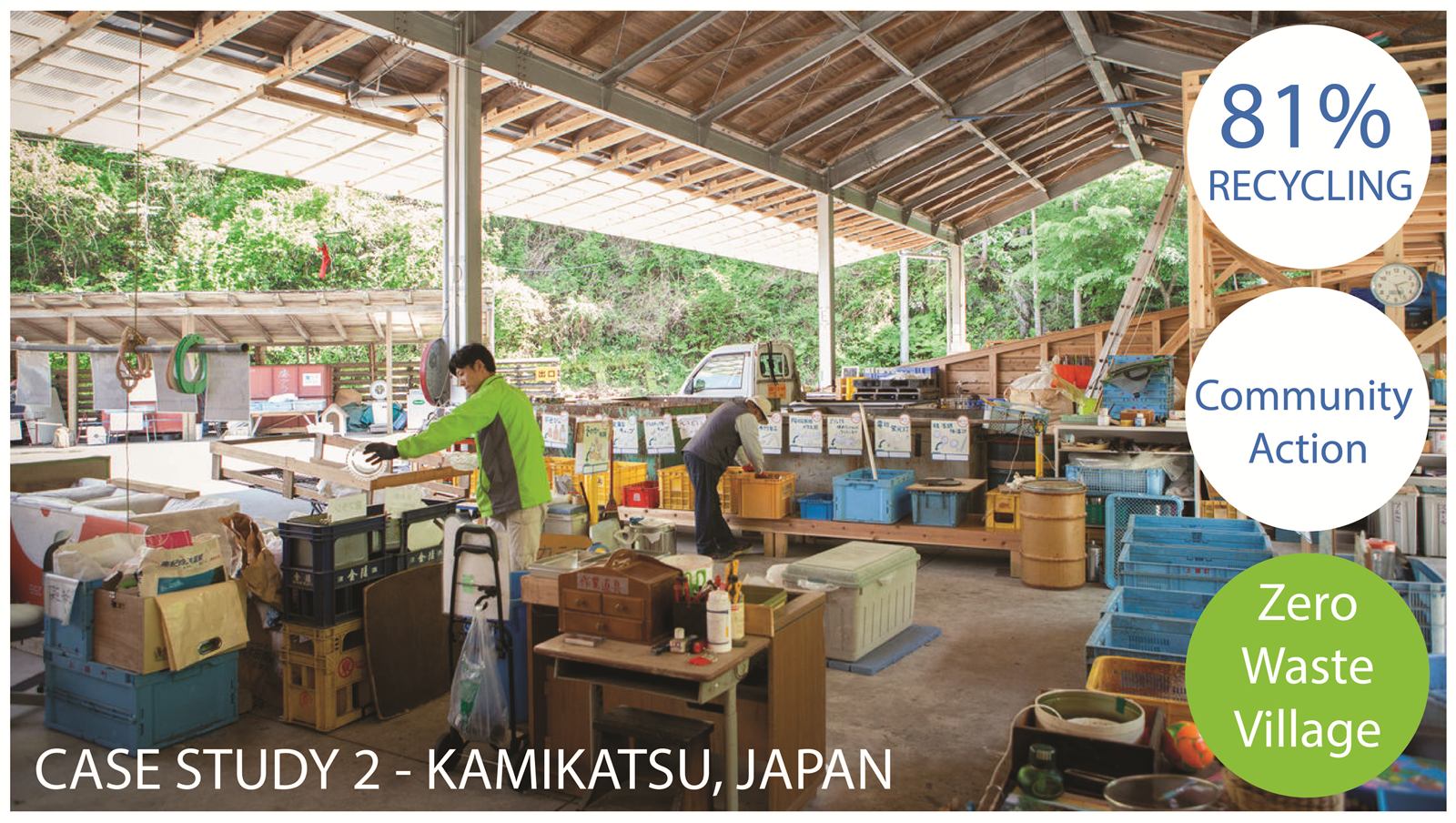
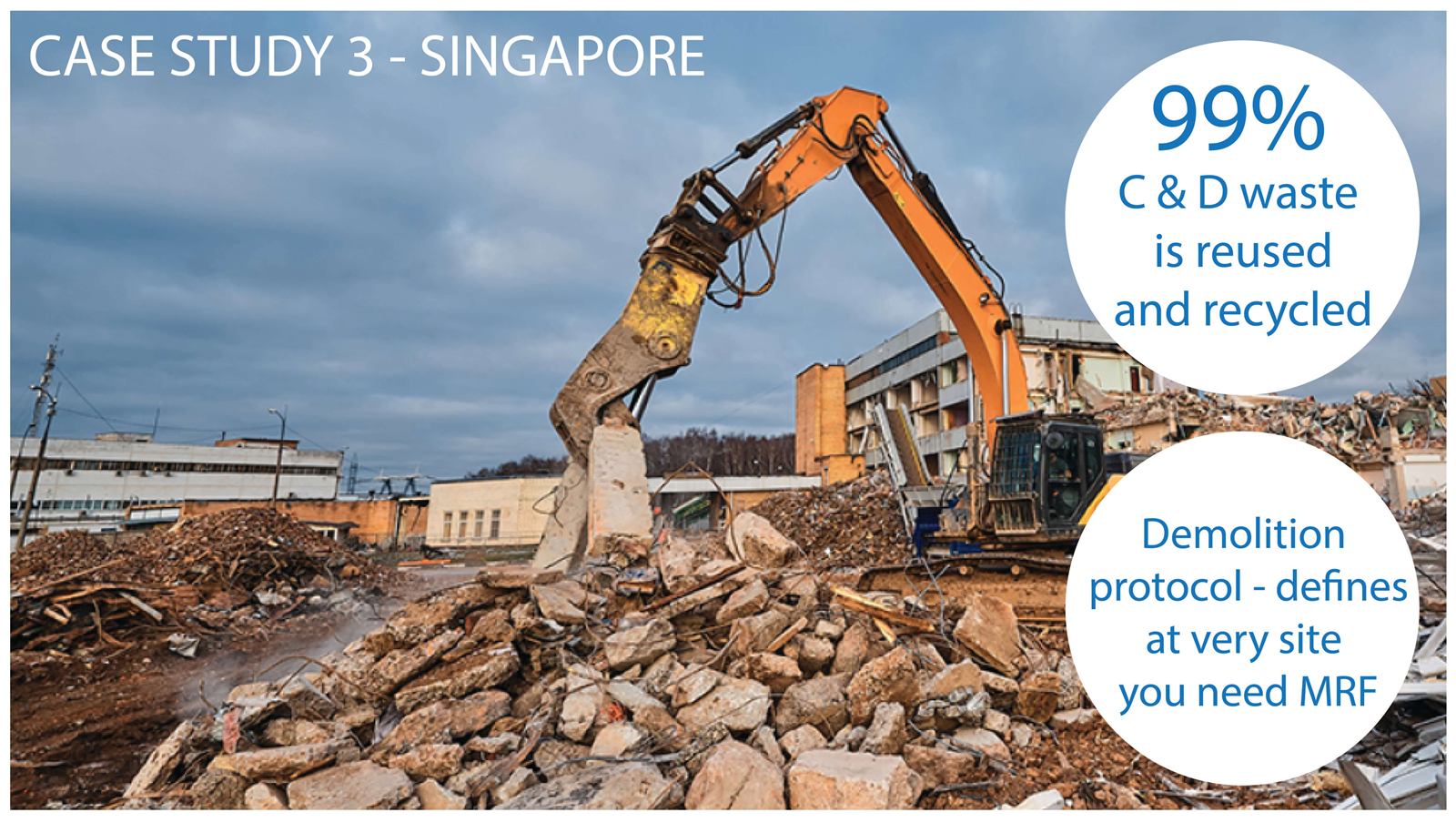
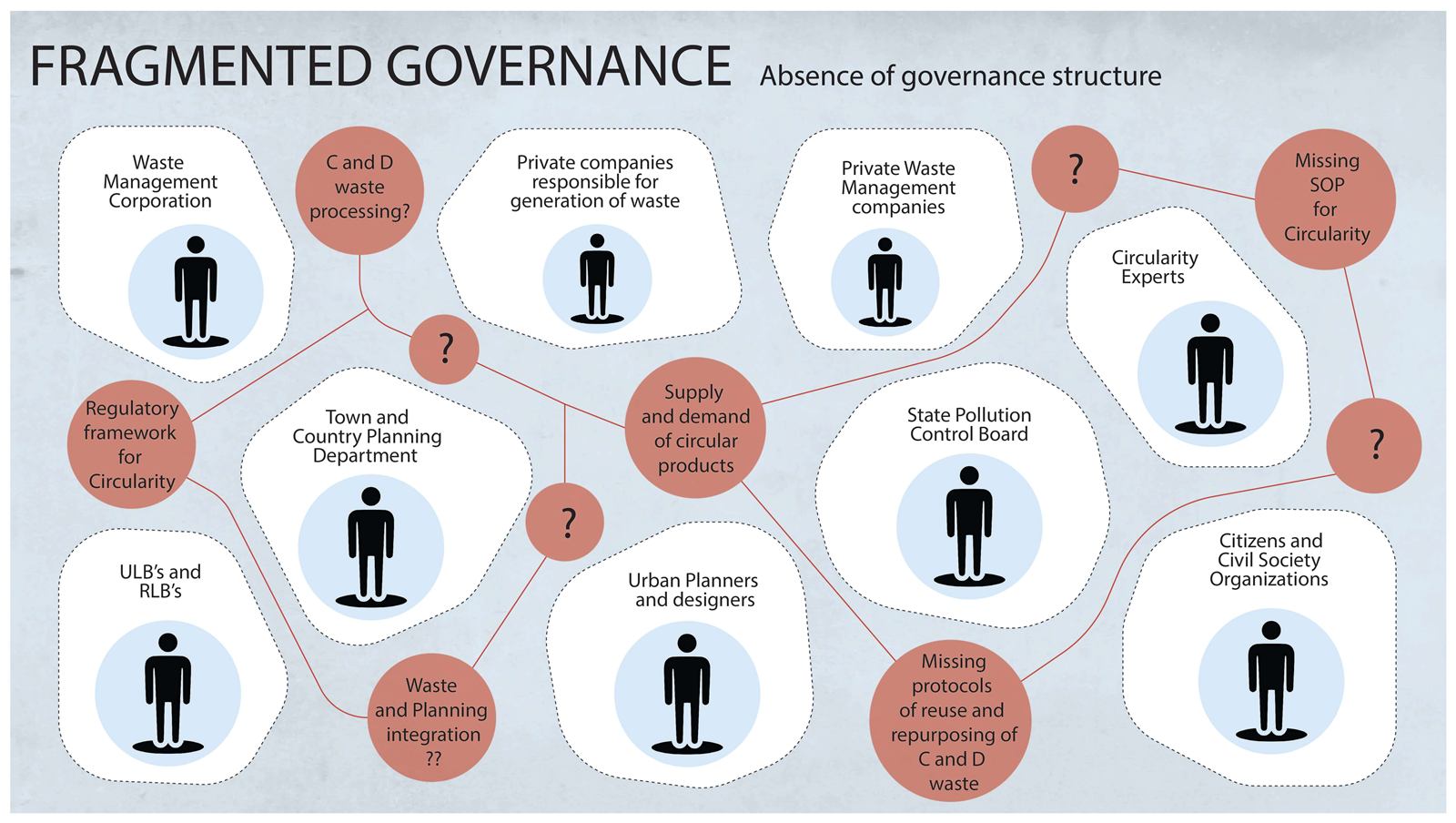
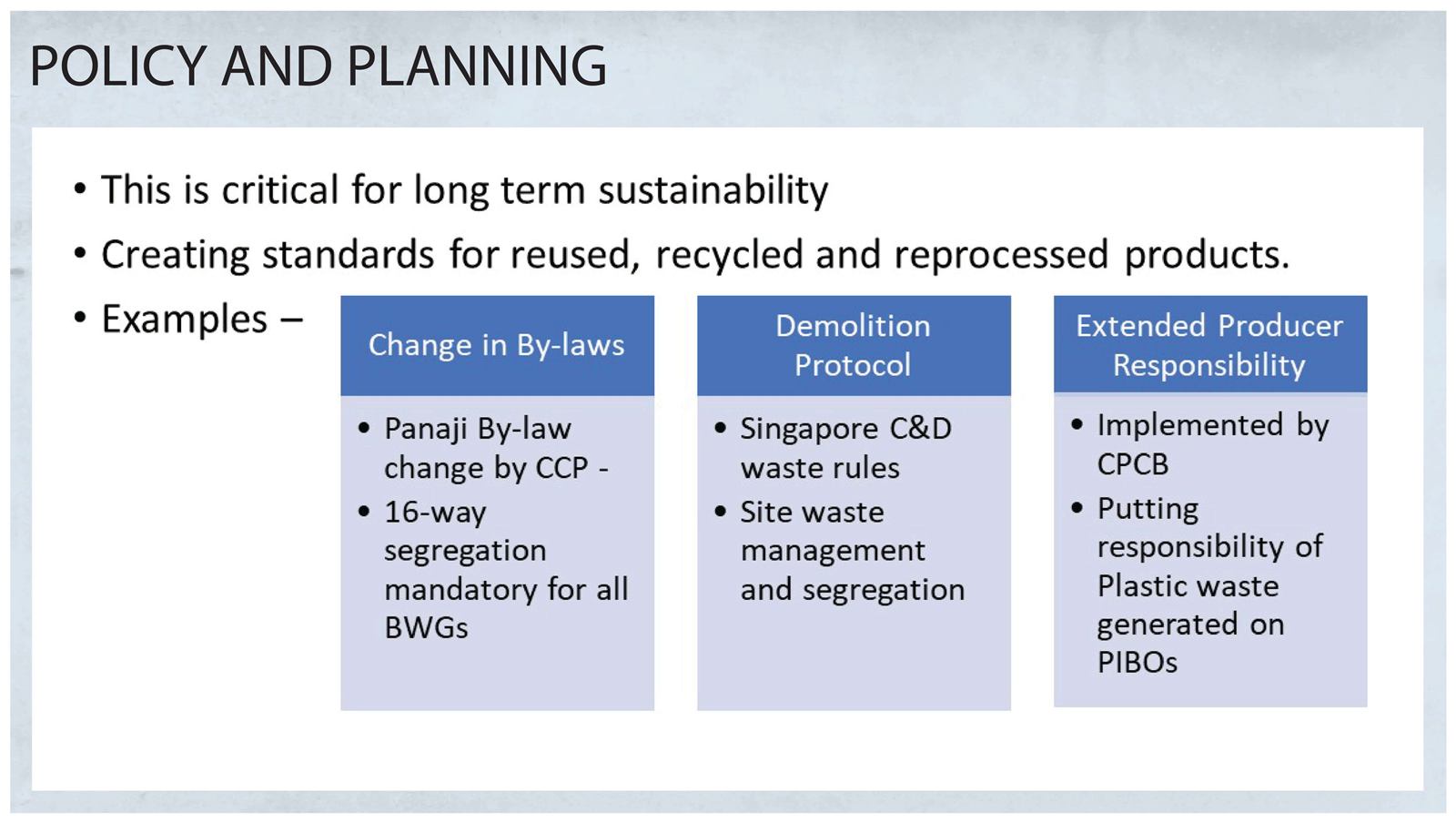
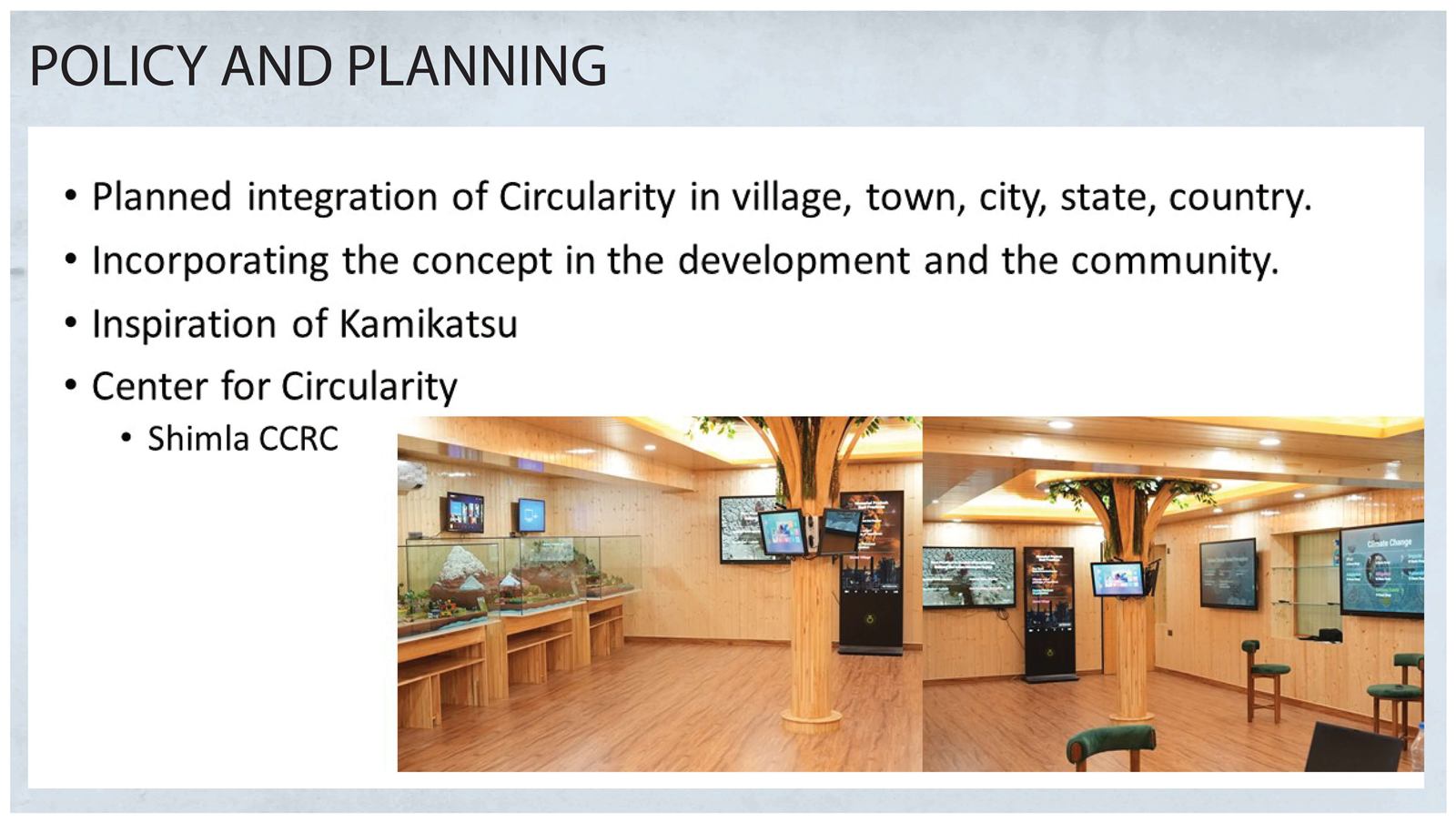
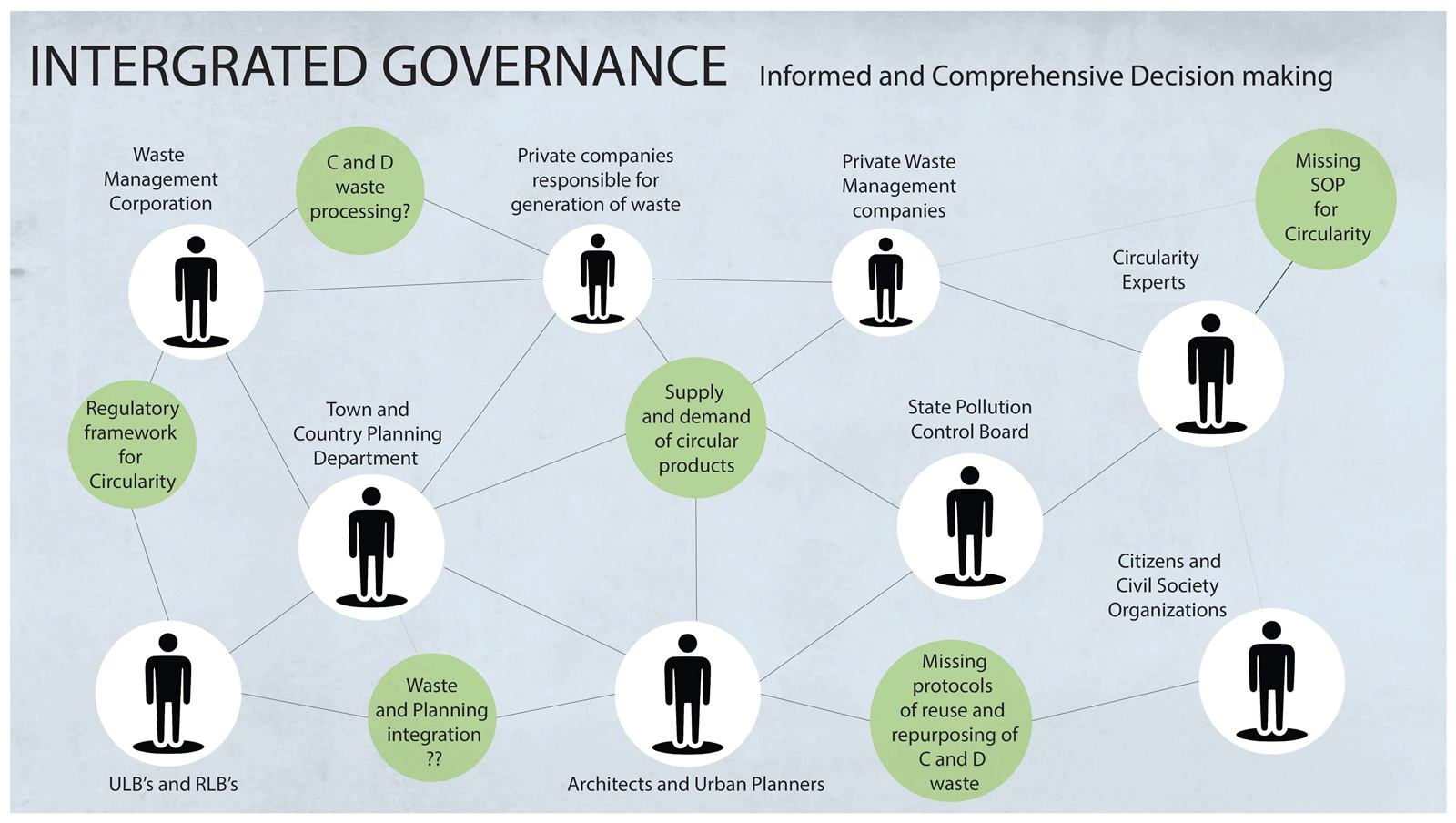
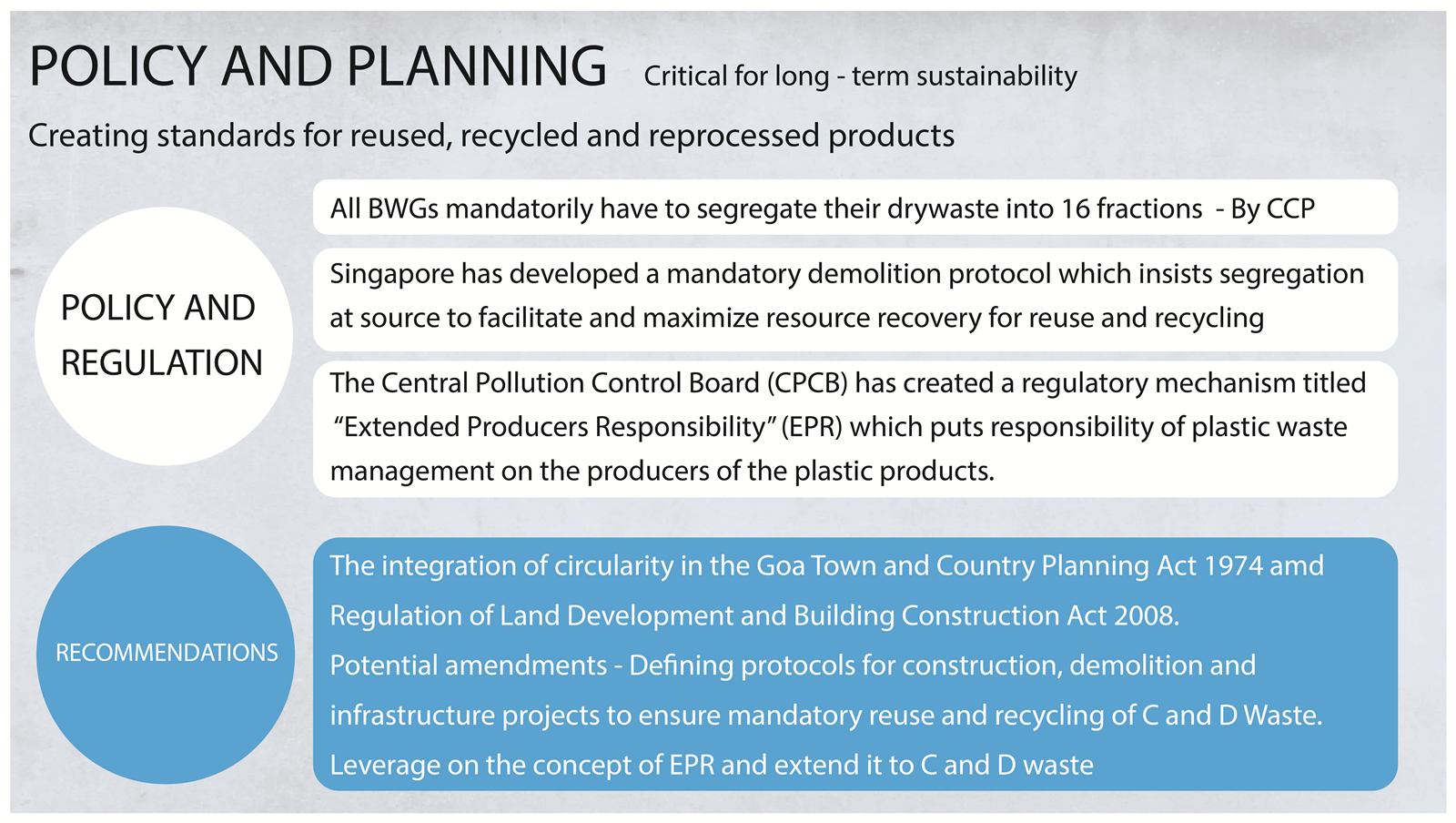
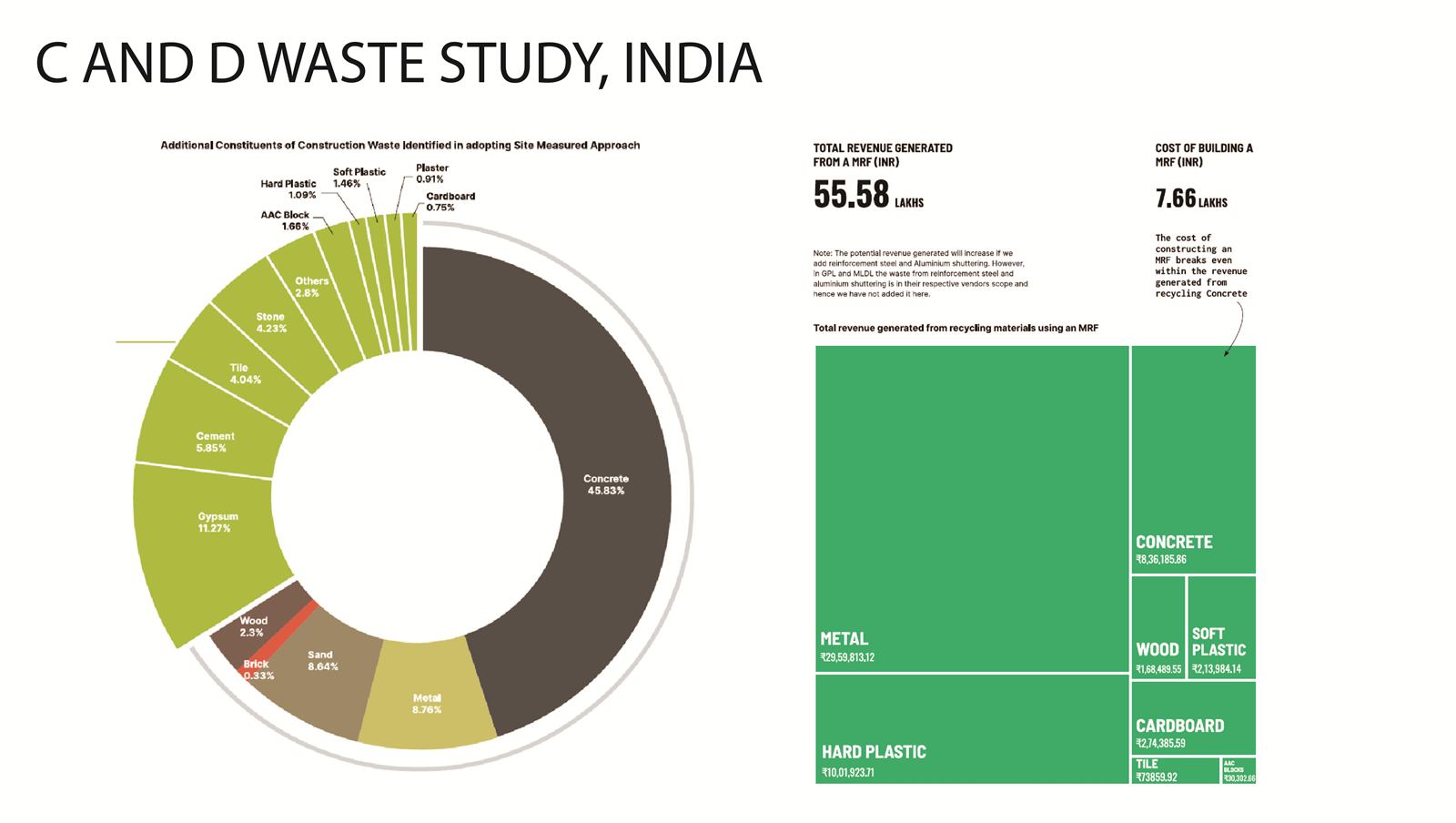
A talk with Ferdin Sylvester at the Institute of Town Planners India, Goa Chapter (2023), set Panaji alongside Kamikatsu in Japan (81% recycling) and Singapore's demolition protocol (99% of construction waste reused), and argued for circularity in town-planning law, demolition protocols and extended producer responsibility.
Related: waste wards and truck routing in running a small city.