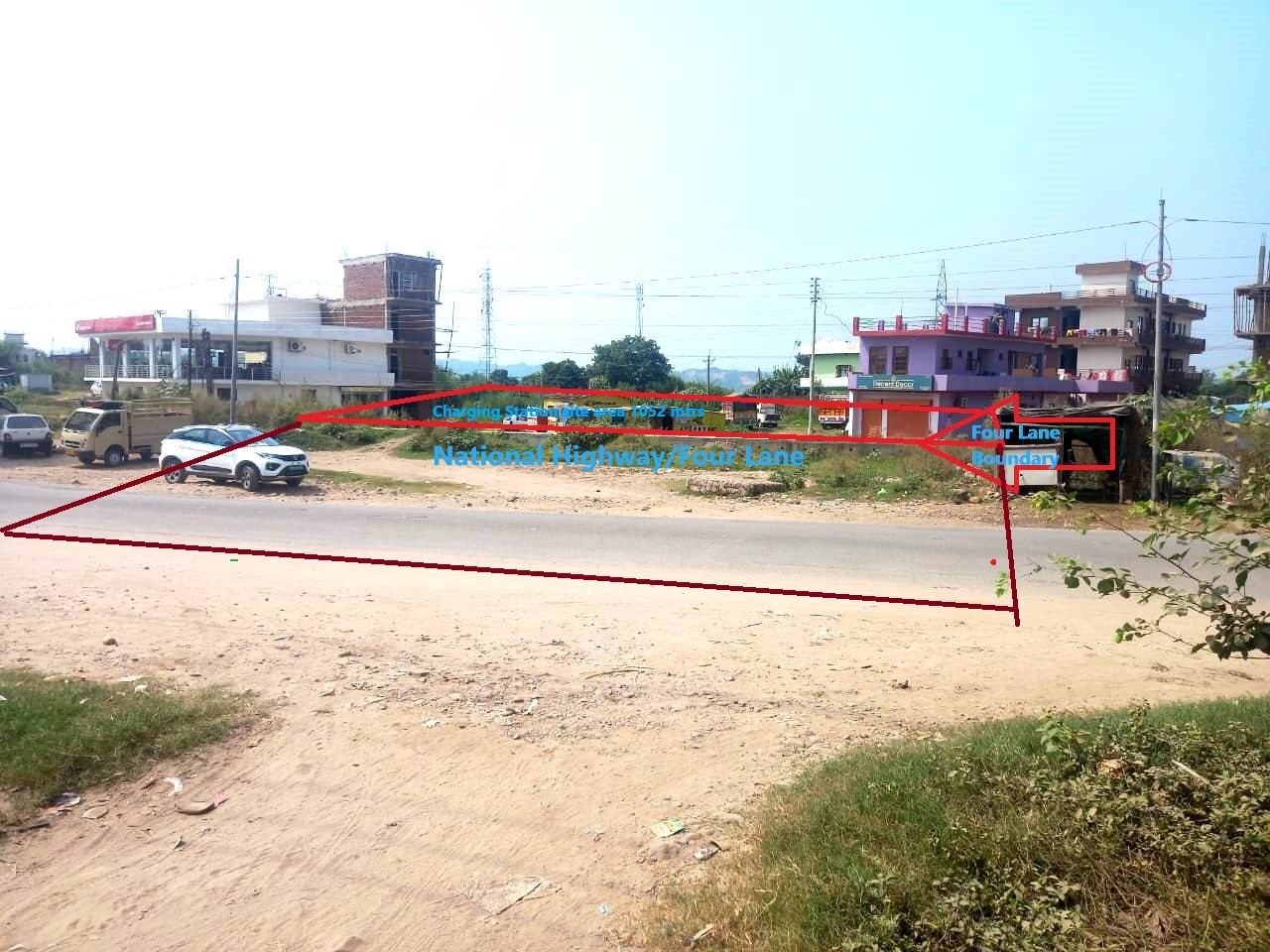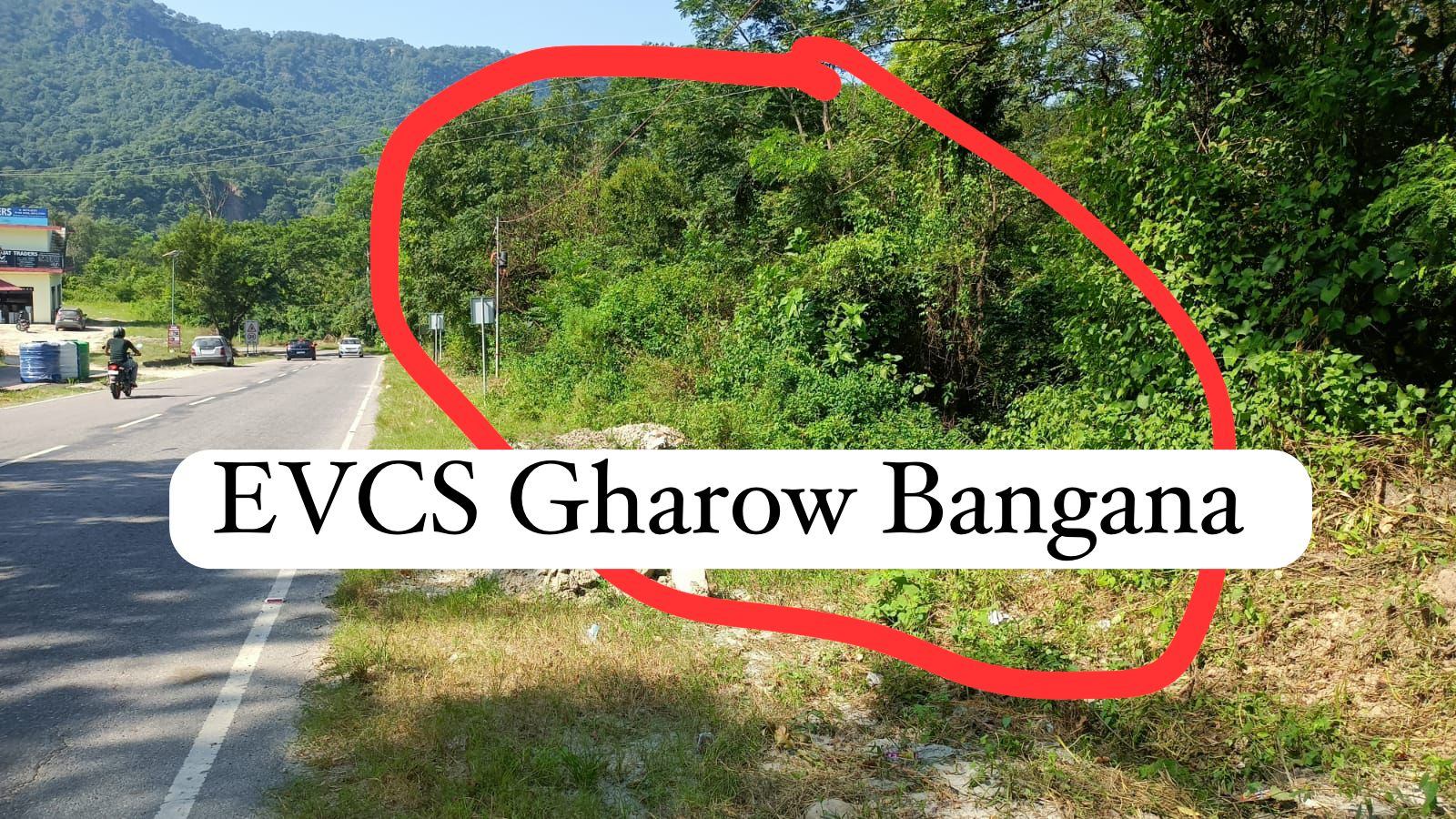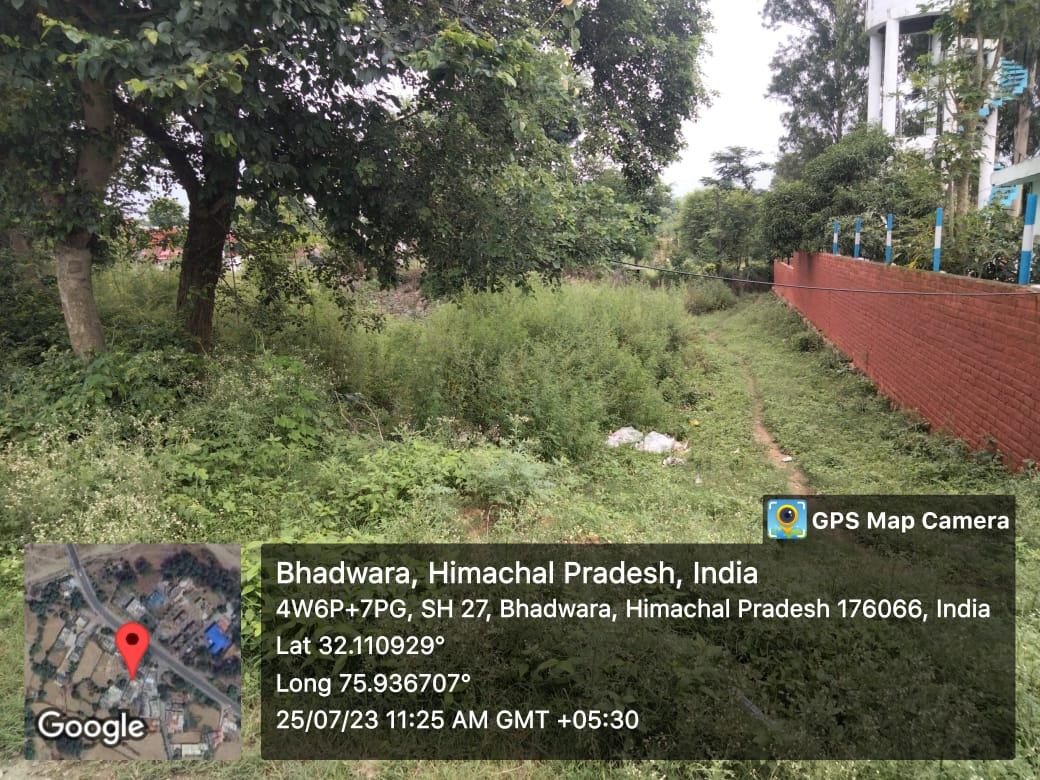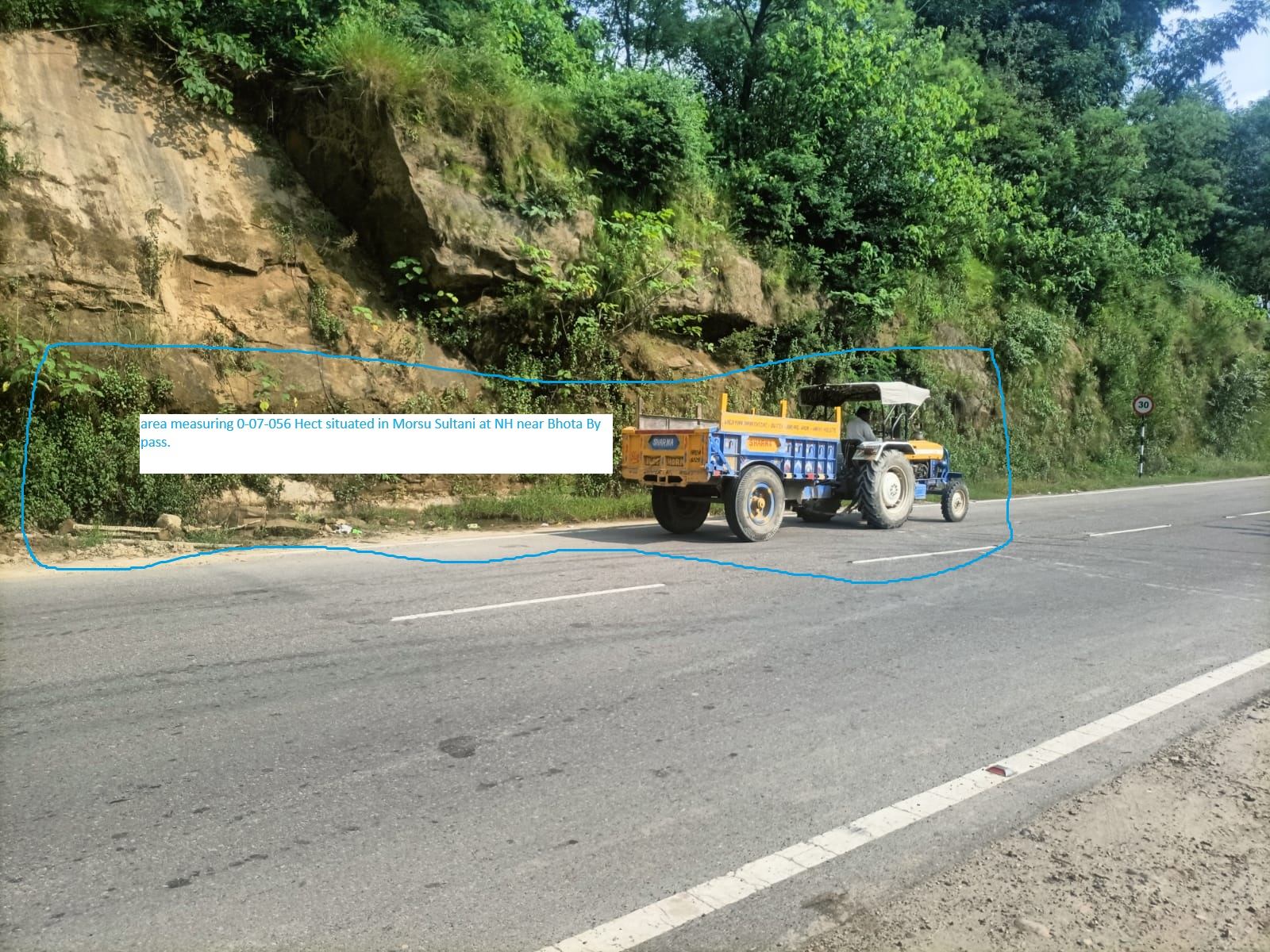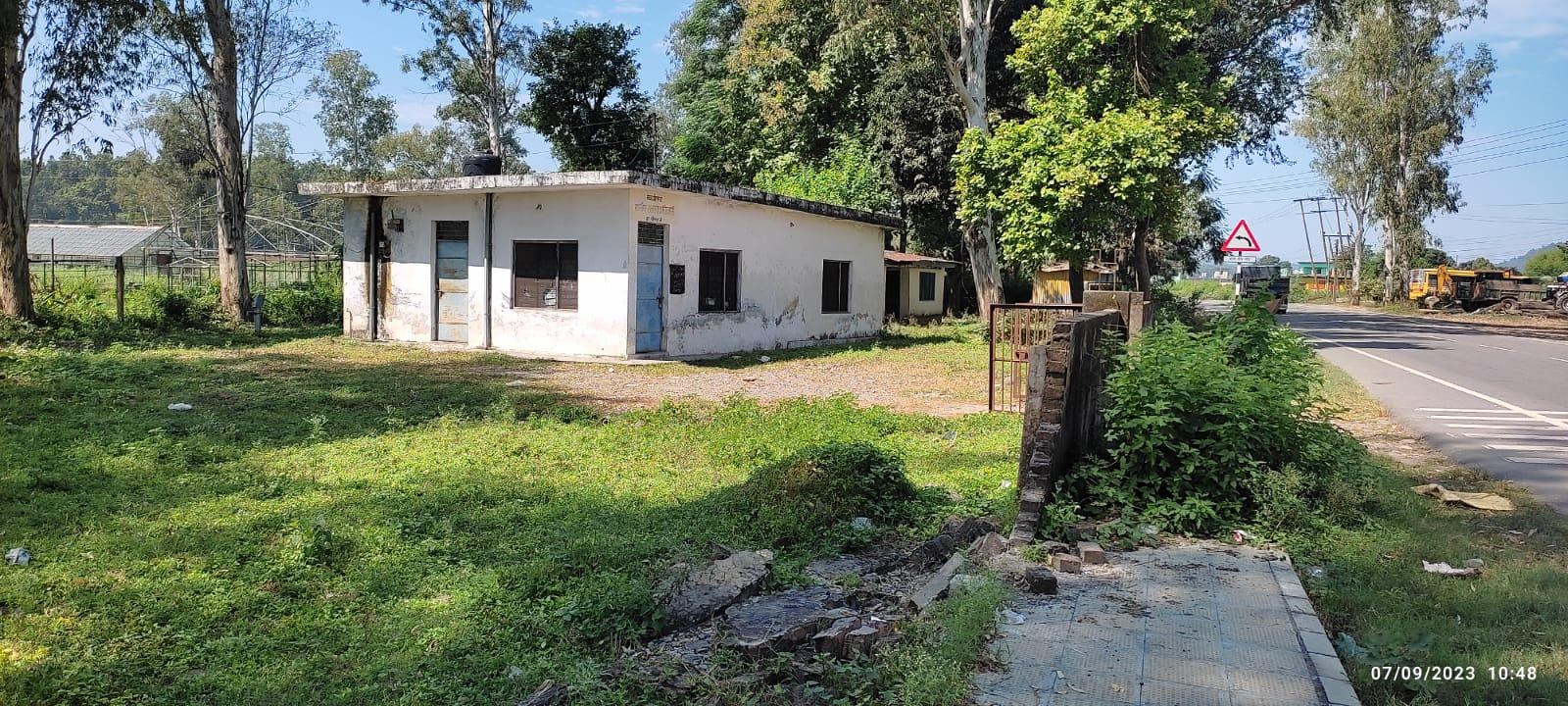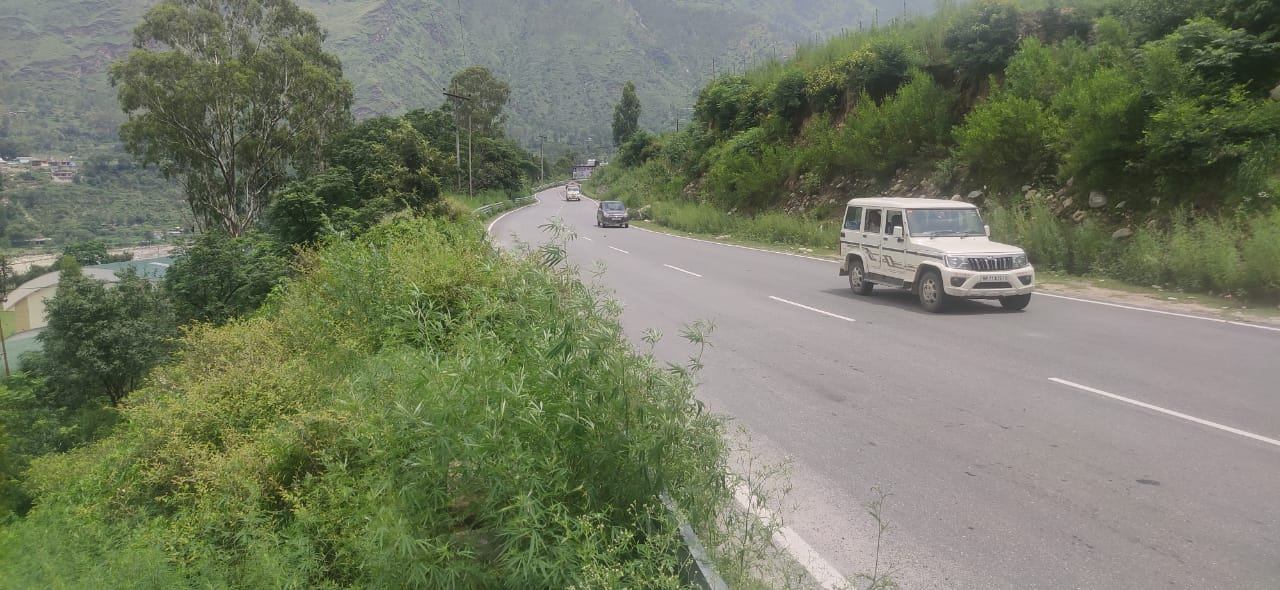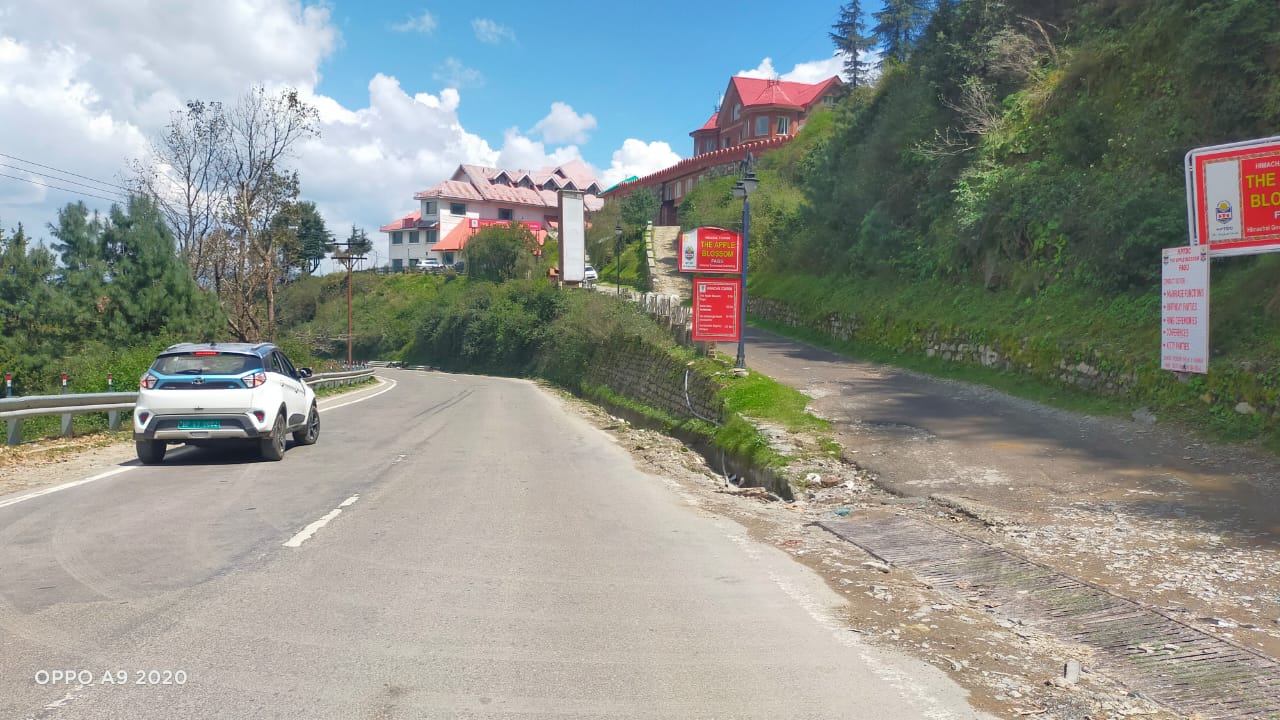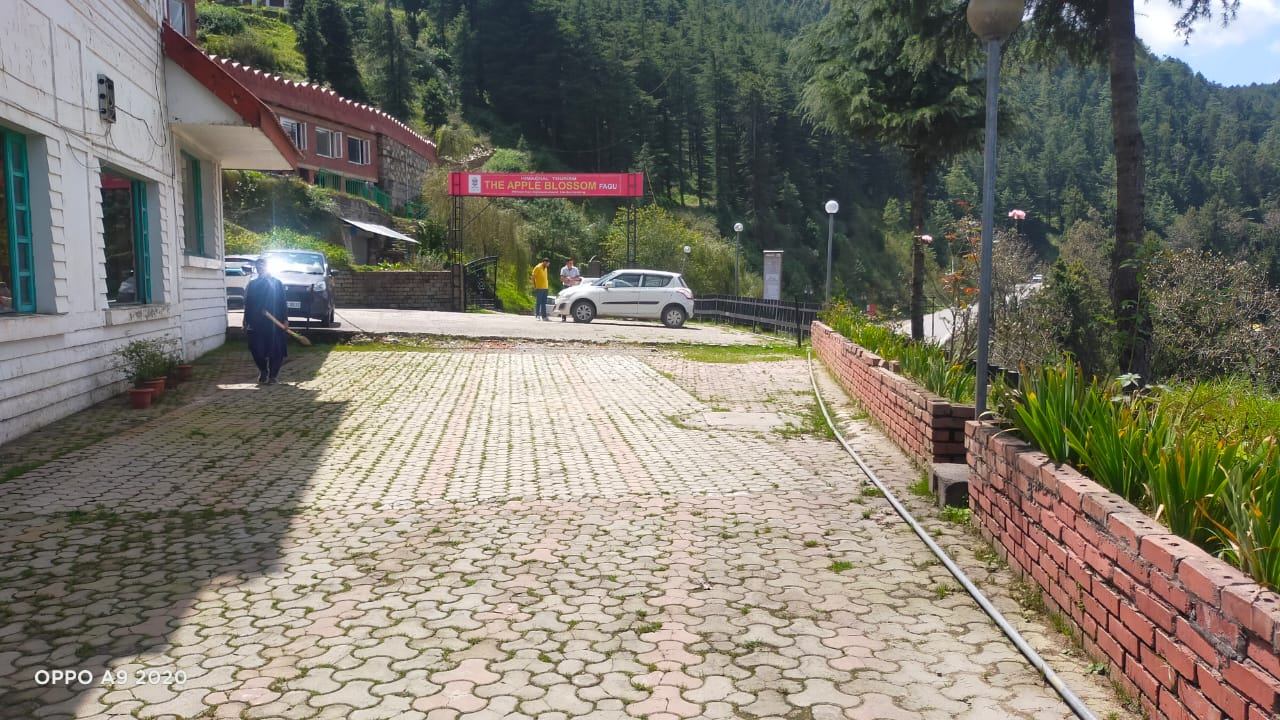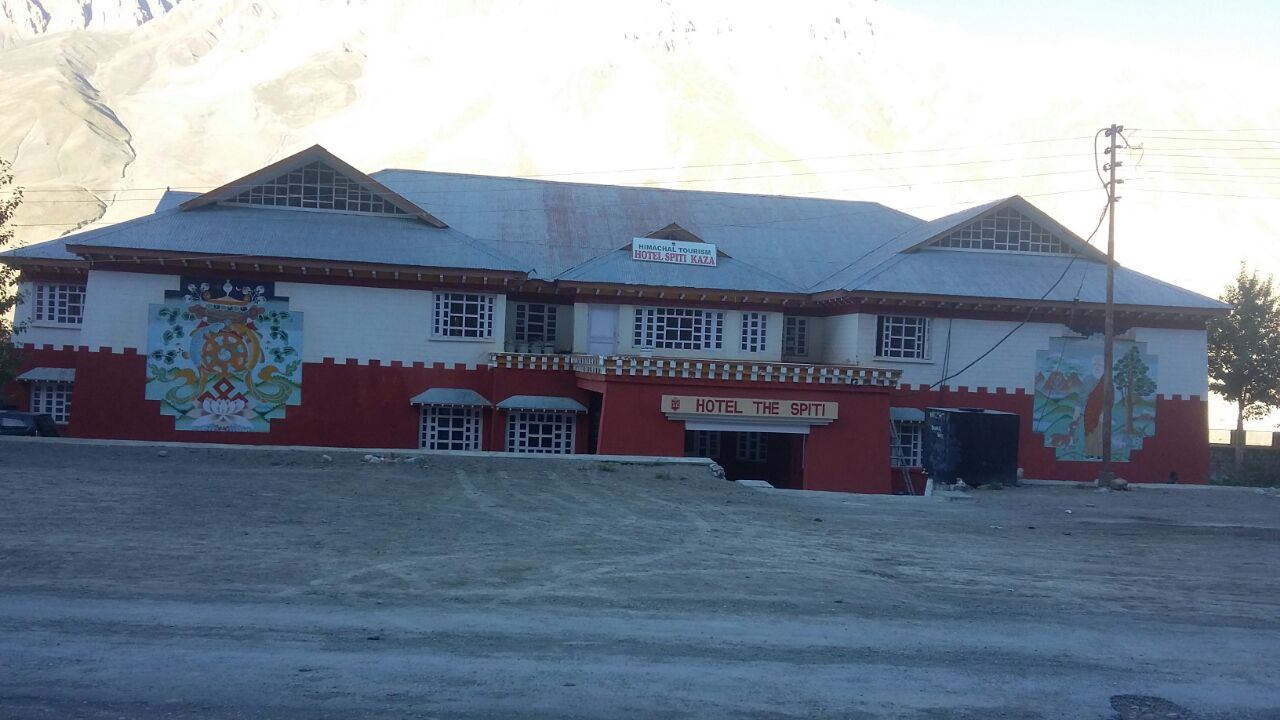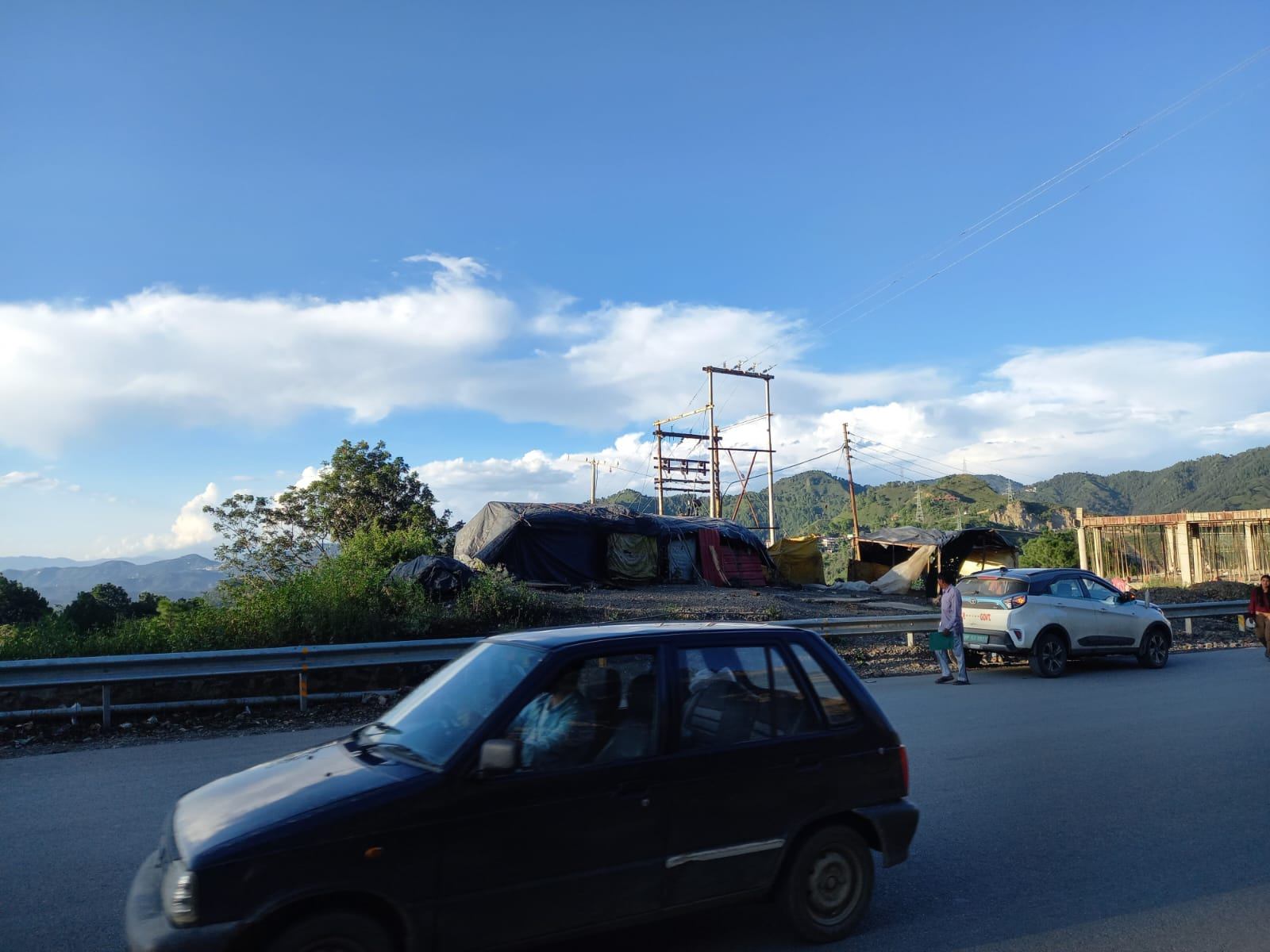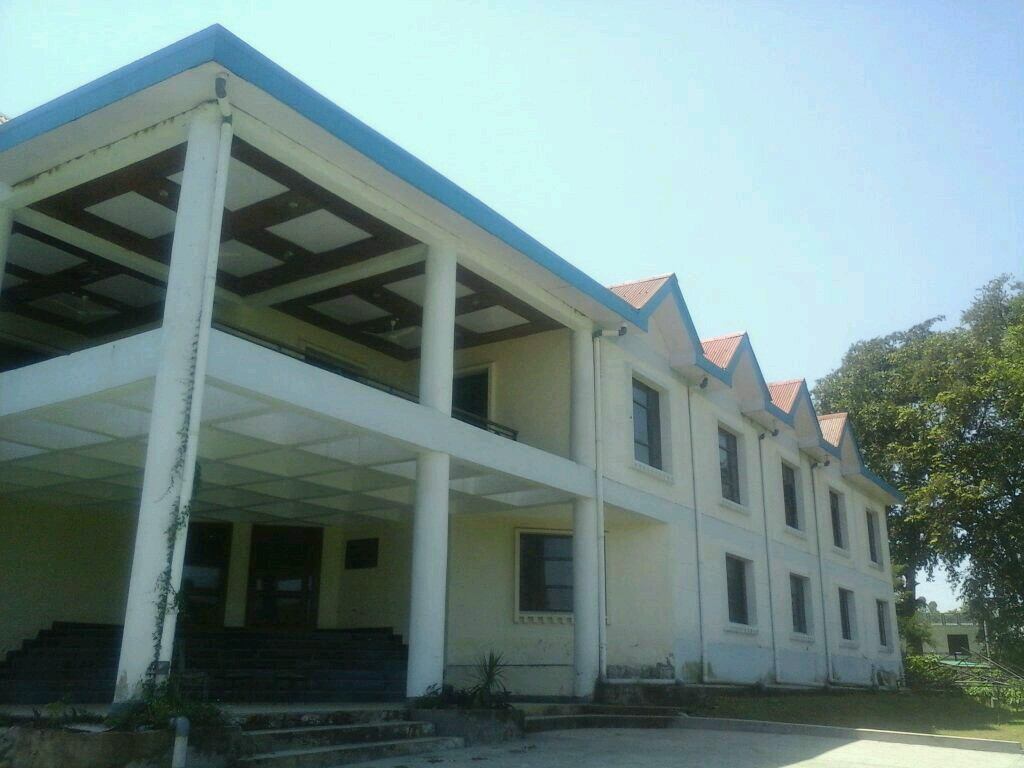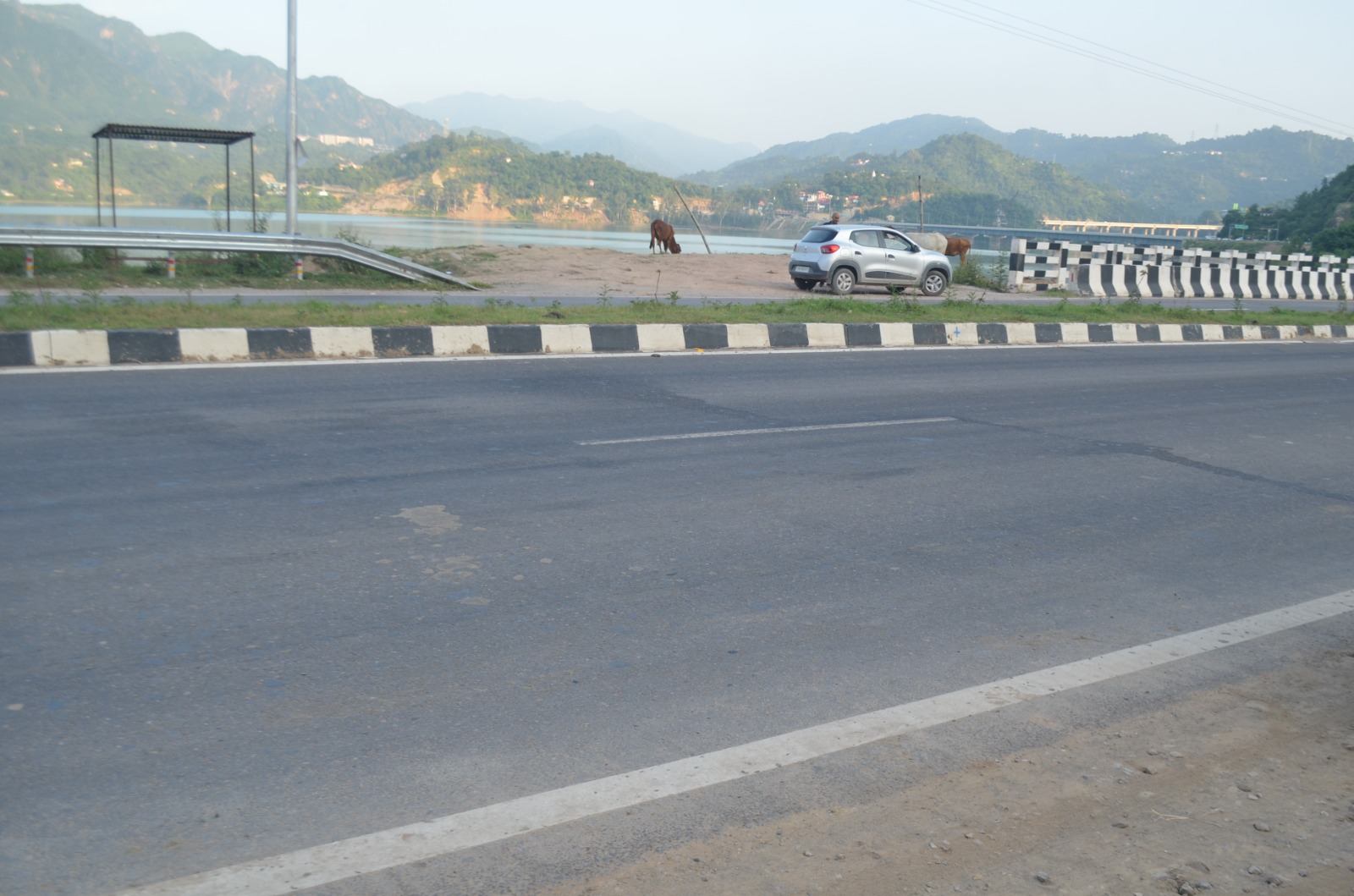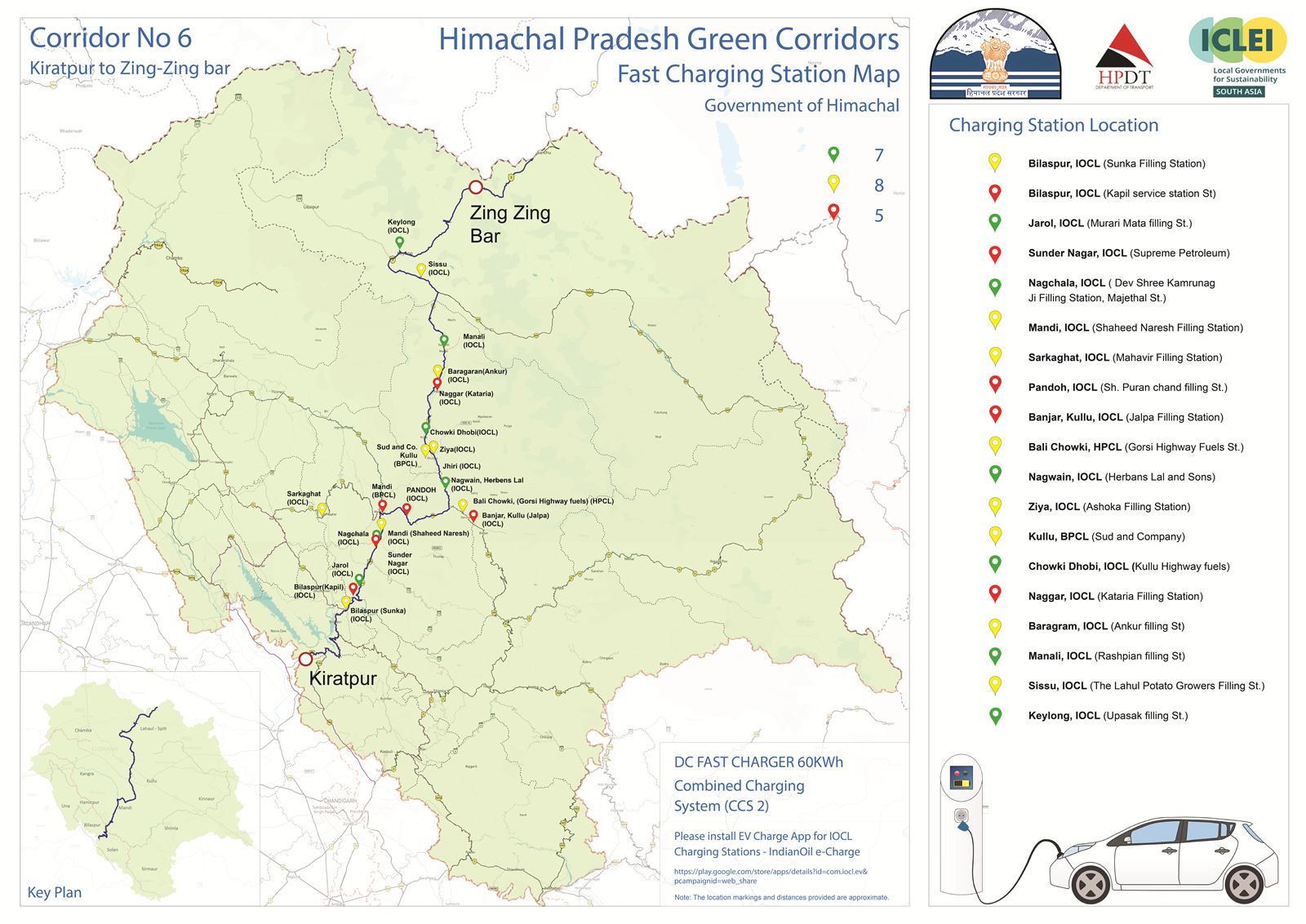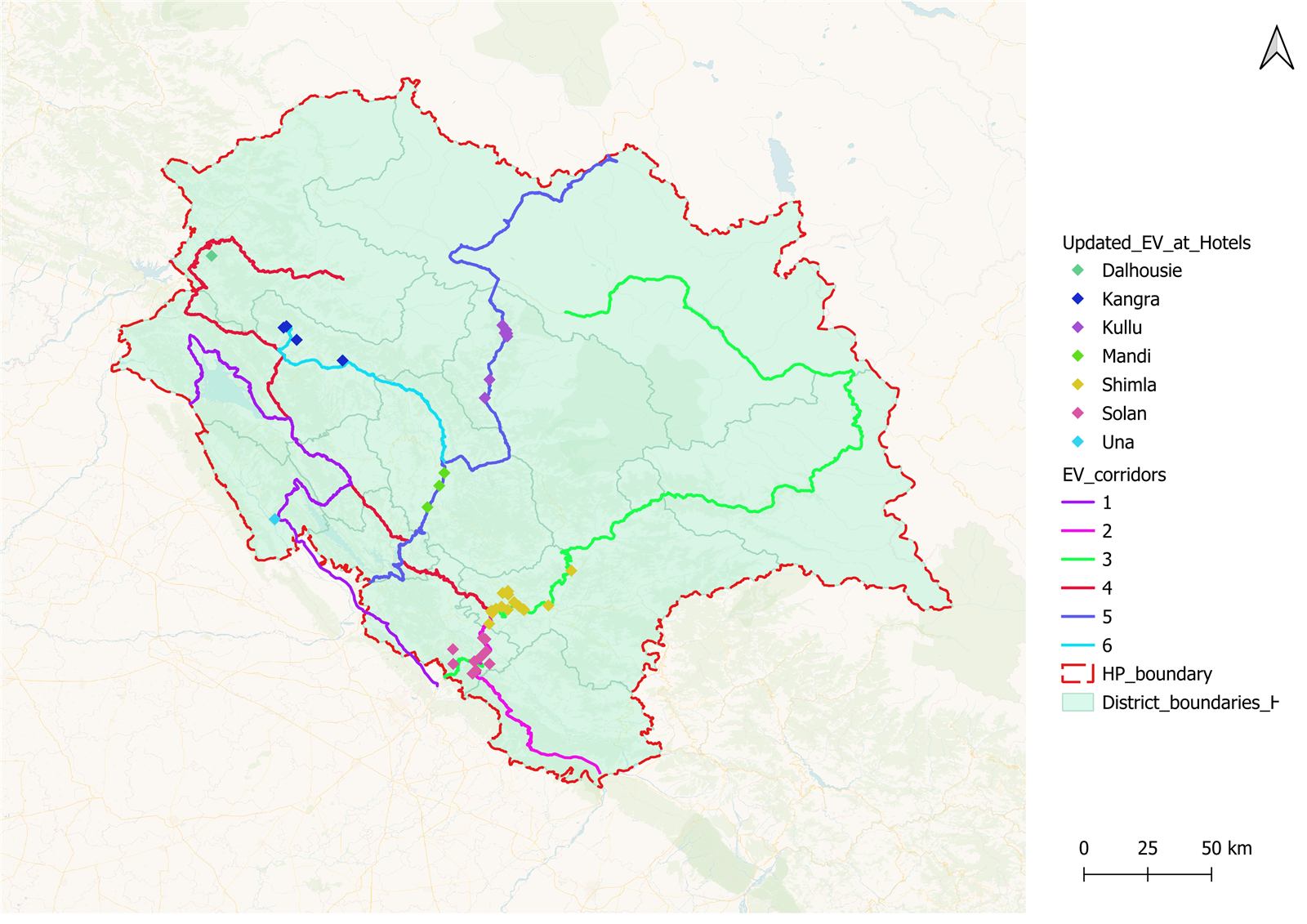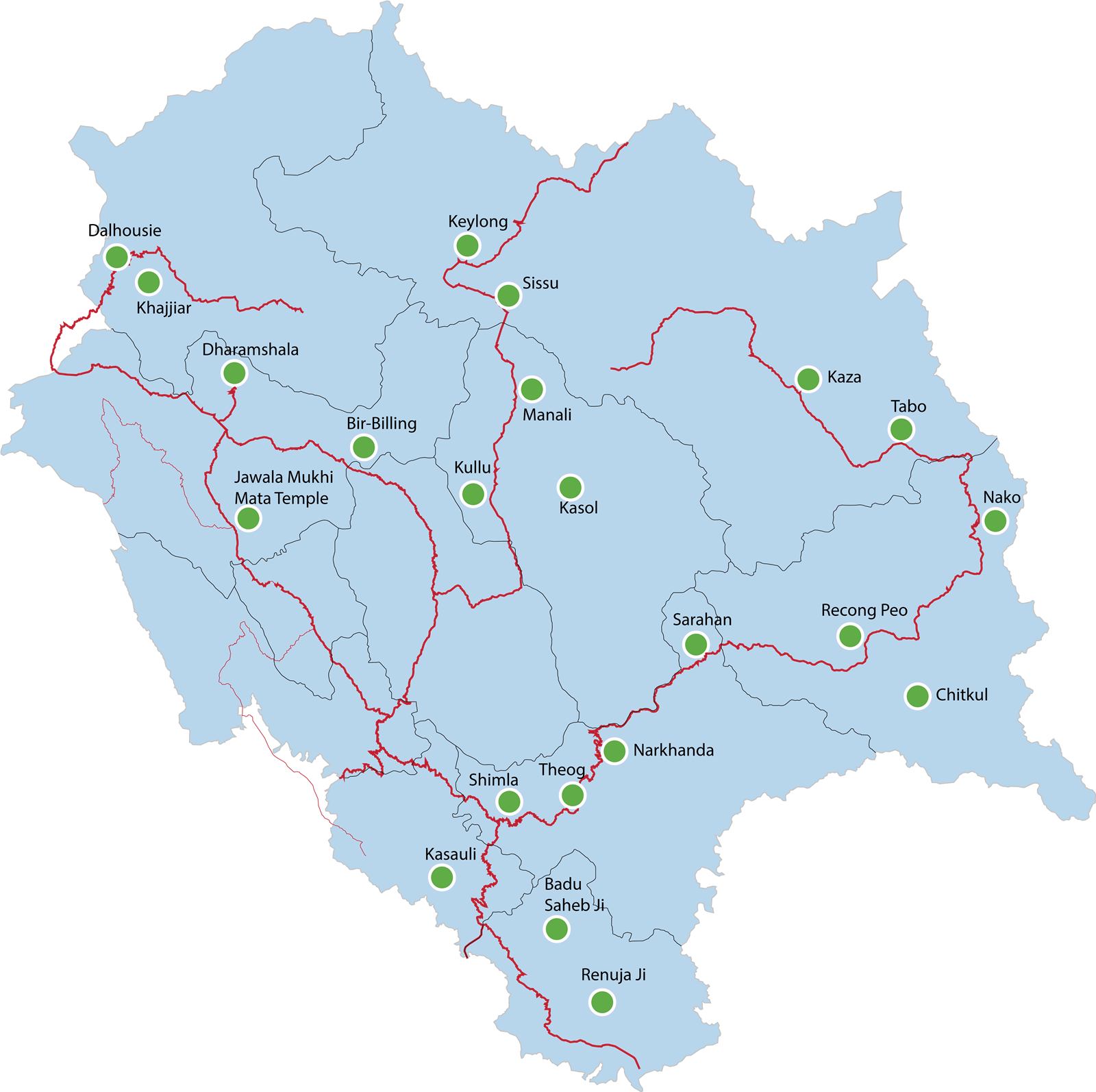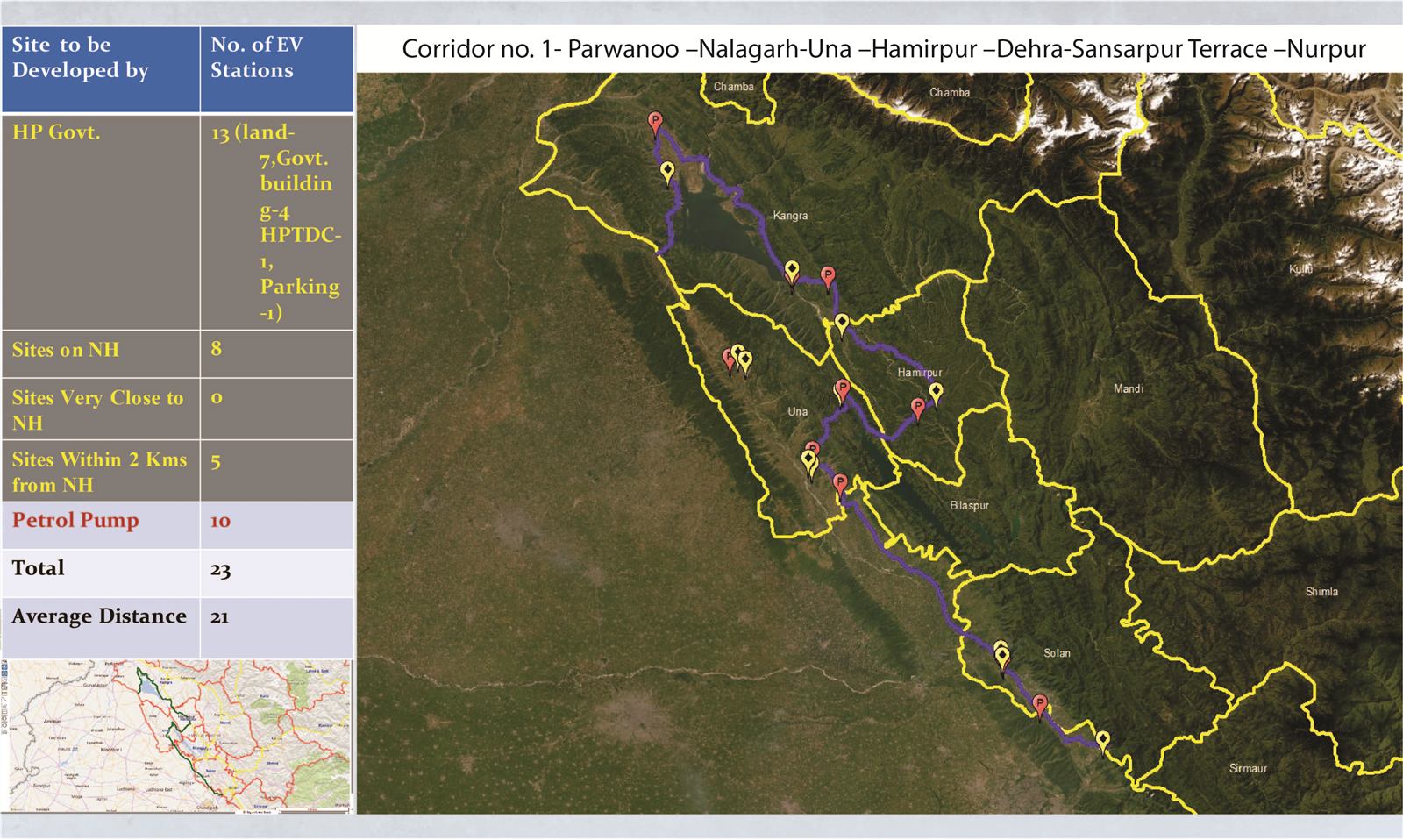
The state declared six national and state highways as Green Corridors for electric vehicles: Parwanoo – Nalagarh – Una – Hamirpur – Nurpur; Paonta – Nahan – Solan – Shimla; Parwanoo – Shimla – Rampur – Kaza – Losar; Shimla – Bilaspur – Hamirpur – Kangra – Chamba; Mandi – Palampur – Dharamshala – Pathankot; and Kiratpur – Mandi – Kullu – Manali – Keylong. Policy asks for a charging station at least every 25 km on state highways and a charge point in every 1 km grid of the model cities.
Finding the sites
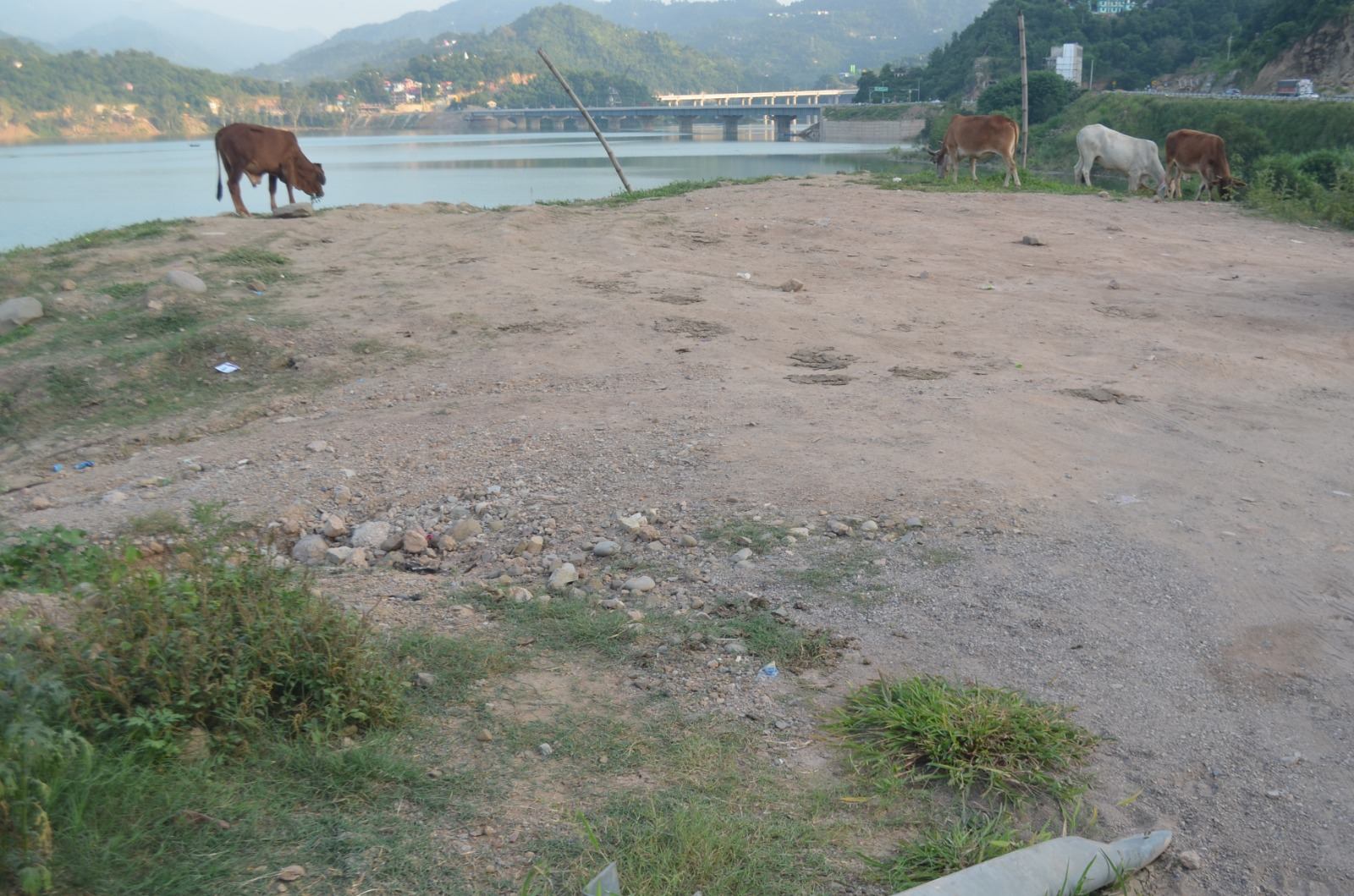
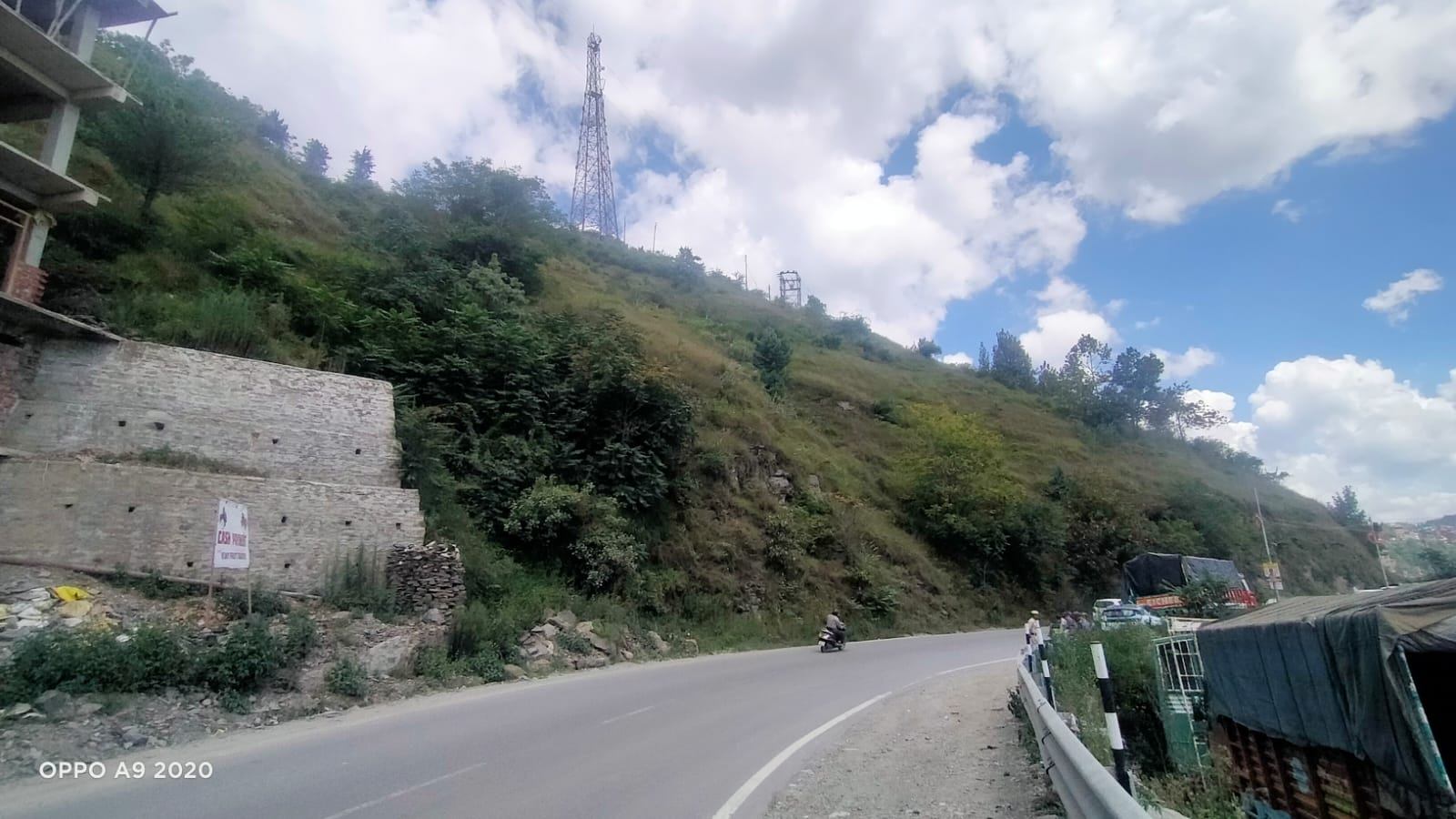
Every candidate site was visited and photographed: corridor by corridor, with land area, distance from the highway, grid access and gaps between stations. The work produced corridor maps, a typology of stations, and a first Expression of Interest for 11 PPP sites on a Design, Build, Finance, Operate and Transfer basis.
Three ways to pay for a charger
- Public-private partnerships on government land along the corridors, with charge point operators (EVI Tech, Jio-bp, Electrowave).
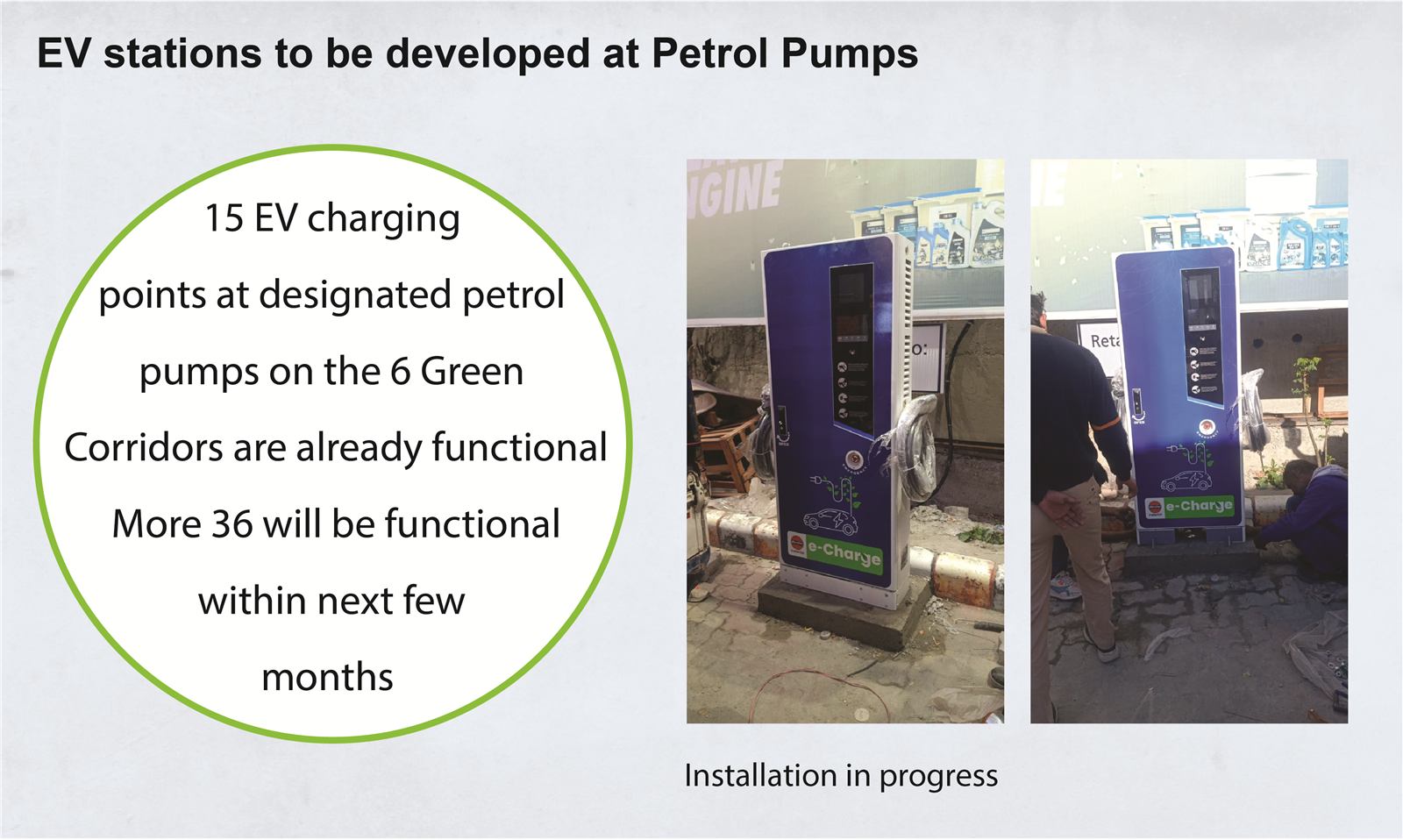
- Oil companies installing fast chargers at petrol pumps, tracked month by month against targets.
- Government buildings: rest houses, circuit houses, District Collector and SP offices on a revenue-sharing model. The proposal, developed by the Directorate of Transport with ICLEI South Asia, was approved by the Cabinet in April 2025, with an action plan for 22 kW chargers at around 170 sites through Deputy Commissioners.
Reading the numbers
Progress notes tracked each site and each operator, and the economics behind them. After the state electricity cess, oil companies were paying ₹14.47 per unit for power and charging customers ₹14 before GST: a loss on every unit sold, and a reason stations stalled.